PP Honeycomb Panel vs ABS Sheet for Automotive Interior Panels
- Share
- From
- www.polyreflex.com
- publisher
- Polyreflex
- Issue Time
- May 18,2026
Summary
Compare PP honeycomb panels and ABS sheets for automotive interior applications. Learn the differences in weight, strength, processing, cost and ideal uses for door panels, trunk boards, seat backs and interior structures.
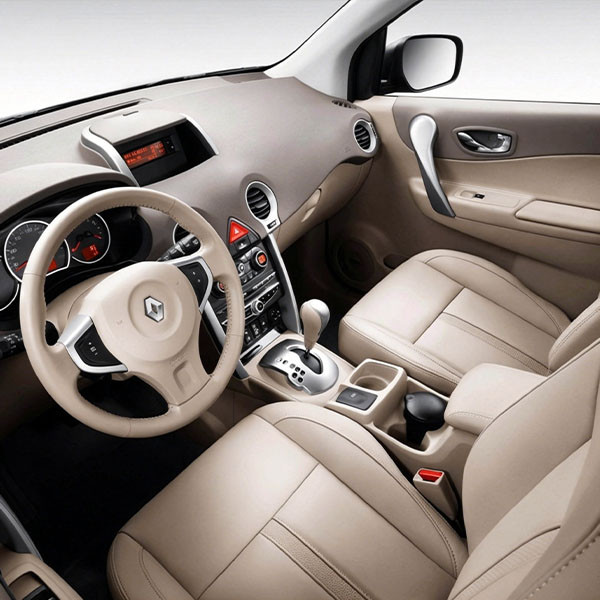
The automotive industry is rapidly shifting toward lightweight, durable and recyclable materials for interior component manufacturing. As vehicle manufacturers continue to pursue better fuel efficiency, improved EV driving range and lower production costs, thermoplastic materials have become increasingly important in modern automotive design.
Among the many plastic materials used in automotive interiors, PP Honeycomb Panel and ABS Sheet are two of the most widely adopted solutions. Both materials offer unique advantages and are commonly used in automotive interior systems such as door panels, trunk floor boards, seat back panels, side wall panels, headliners and structural interior components.
However, these two materials are designed for different purposes. PP Honeycomb Panels are primarily valued for their lightweight structural performance, while ABS Sheets are widely used for decorative thermoformed interior parts with high surface quality.
Understanding the differences between PP Honeycomb Panels and ABS Sheets helps automotive OEMs, Tier-1 suppliers and component manufacturers select the right material for performance, weight reduction and cost efficiency.
Why Material Selection Matters in Automotive Interior Design
The Trend Toward Lightweight Vehicles
Lightweighting has become one of the most important trends in the global automotive industry. Reducing vehicle weight directly improves fuel economy, lowers emissions and increases the driving range of electric vehicles.
Modern automotive manufacturers are constantly seeking alternatives to traditional materials such as plywood, MDF and metal. Thermoplastic panels provide an excellent balance between weight, durability and manufacturability, making them increasingly popular in automotive interior applications.
In addition, lightweight materials help manufacturers optimize vehicle performance without sacrificing strength or safety. This is especially important for electric commercial vehicles, vans, RVs and passenger vehicles where every kilogram matters.
Requirements for Automotive Interior Panels
Automotive interior panels must satisfy multiple performance requirements simultaneously. Depending on the application, the material may need to provide:
Because different interior components have different functional requirements, no single material is ideal for every application. This is why PP Honeycomb Panels and ABS Sheets are often used for different automotive interior parts.
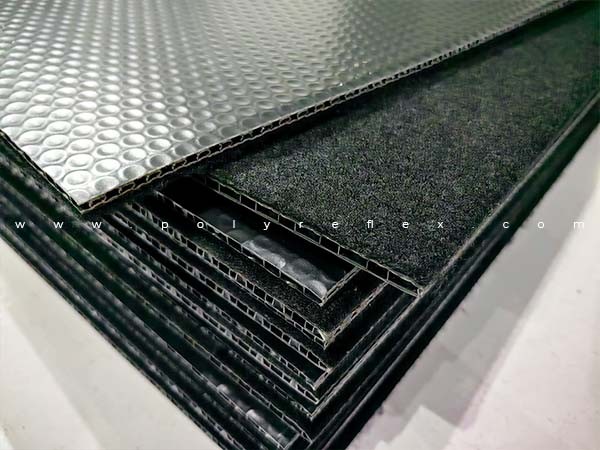
PP Bubble Board
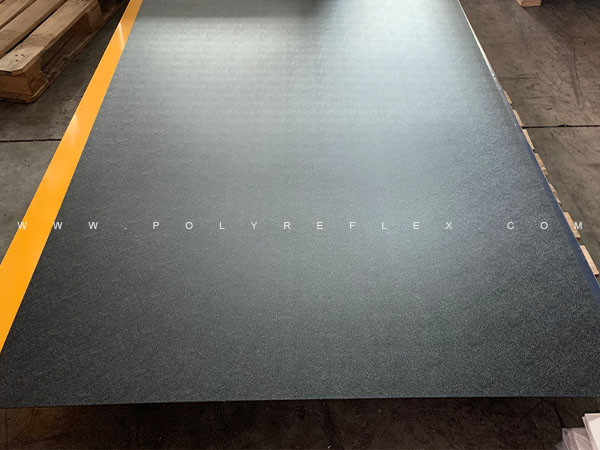
ABS Sheet
What Is PP Honeycomb Panel?
Structure of PP Honeycomb Panels
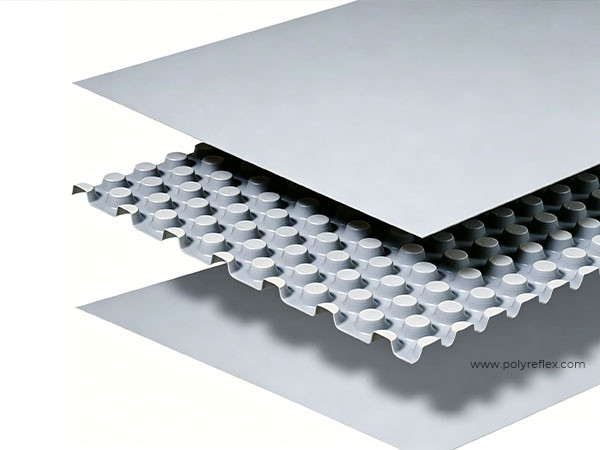
PP Honeycomb Panel is a lightweight thermoplastic sandwich panel made from polypropylene materials. It typically consists of a honeycomb core structure laminated between thin polypropylene skins.
This honeycomb design creates a very high stiffness-to-weight ratio. The panel remains lightweight while still providing excellent structural rigidity.
Compared with traditional solid plastic boards or wood-based panels, PP Honeycomb Panels significantly reduce overall component weight while maintaining good mechanical performance.
Key Features of PP Honeycomb Panels
PP Honeycomb Panels offer several important advantages for automotive interior applications:

Ultra Lightweight
One of the biggest advantages of PP Honeycomb Panels is their extremely low weight. This helps reduce overall vehicle mass and improve fuel efficiency.

Excellent Rigidity
Despite being lightweight, the honeycomb core structure provides excellent bending strength and rigidity.

Moisture Resistance
Unlike wood-based materials, PP Honeycomb Panels do not absorb water, making them suitable for humid automotive environments.

Good CNC Machinability
The panels can be easily processed using CNC routing, cutting and drilling equipment for custom automotive components.

Recyclability
Polypropylene materials are recyclable, supporting sustainable automotive manufacturing.

Good Flatness
PP Honeycomb Panels maintain excellent flatness, making them suitable for structural interior boards.
Typical Automotive Applications
PP Honeycomb Panels are commonly used in:
These applications mainly require lightweight structural performance rather than decorative surface appearance.
What Is ABS Sheet?
Structure and Composition of ABS Sheets
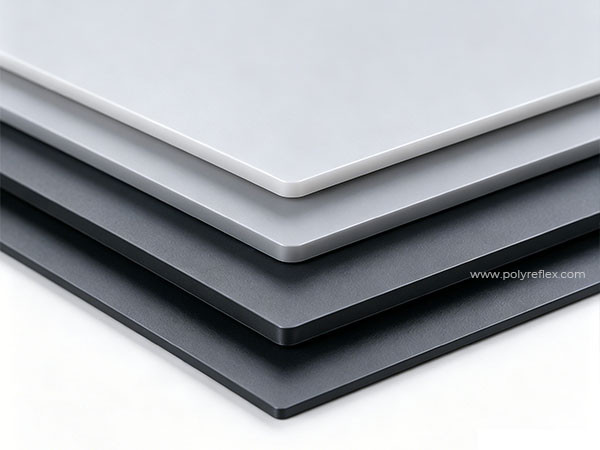
ABS Sheet is a solid thermoplastic sheet made from Acrylonitrile Butadiene Styrene. It is one of the most widely used engineering plastics in automotive interior manufacturing.
ABS combines strength, toughness and excellent thermoforming performance, making it ideal for shaped interior components with decorative surfaces.
Compared with PP Honeycomb Panels, ABS Sheets are solid plastic sheets with higher density and smoother surface quality.
Key Features of ABS Sheets
ABS Sheets offer several important advantages for automotive interior applications:

Excellent Surface Appearance
ABS Sheets provide smooth, high-quality surfaces suitable for visible interior components.
Strong Impact Resistance
ABS materials offer good toughness and impact performance, helping improve component durability.

Outstanding Thermoforming Capability
ABS Sheets are widely used in vacuum forming applications because they can easily form complex shapes.

Decorative Flexibility
ABS Sheets can be textured, laminated or colored to meet automotive interior design requirements.

Good Dimensional Stability
The material maintains stable dimensions during processing and long-term use.
Excellent Processability
ABS Sheets are optimized for CNC processing, enabling faster production cycles and reduced manufacturing costs.
Typical Automotive Applications
ABS Sheets are commonly used in:
These applications focus more on appearance, shape complexity and surface quality.
PP Honeycomb Panel vs ABS Sheet: Key Differences
Although both materials are used in automotive interiors, they differ significantly in structure, performance and ideal applications.
Weight Comparison
PP Honeycomb Panels are much lighter than ABS Sheets.
The honeycomb core structure reduces material consumption while maintaining rigidity. This makes PP Honeycomb Panels ideal for lightweight structural applications such as trunk floors and seat backs.
ABS Sheets are heavier because they are solid thermoplastic sheets. While still lighter than many traditional materials, they generally cannot achieve the same lightweight performance as honeycomb structures.
Rigidity and Structural Performance
PP Honeycomb Panels offer excellent stiffness-to-weight ratio. They are especially suitable for large flat structural components that need rigidity without excessive weight.
ABS Sheets provide good impact resistance and toughness but are typically more suitable for formed decorative parts rather than large structural panels.
Surface Appearance
ABS Sheets have a significant advantage in surface quality.
They provide smooth, attractive surfaces suitable for visible automotive interior components. ABS can also be textured or laminated for premium interior aesthetics.
PP Honeycomb Panels focus more on structural performance and lightweighting rather than decorative appearance.
Thermoforming Capability
ABS Sheets have excellent thermoforming properties and are widely used in vacuum formed automotive interior parts.
Complex three-dimensional shapes can be produced efficiently using thermoforming processes.
PP Honeycomb Panels are less suitable for deep thermoforming and are generally used for flatter structural components.
Impact Resistance
Both materials offer good durability, but their performance characteristics differ.
ABS Sheets provide excellent toughness and impact resistance for visible interior trim parts.
PP Honeycomb Panels provide good structural rigidity and energy absorption because of their cellular core structure.
Cost Efficiency
Cost efficiency depends heavily on the specific application.
For lightweight structural panels, PP Honeycomb Panels can provide better long-term value due to weight reduction benefits and material efficiency.
For decorative thermoformed components, ABS Sheets may offer more efficient manufacturing and finishing processes.
In many modern automotive systems, manufacturers combine both materials to optimize performance and cost.
Which Material Is Better for Different Automotive Interior Parts?
Best Material for Trunk Floor Boards
PP Honeycomb Panels are generally the preferred solution for trunk floor boards.
They provide excellent rigidity, low weight and high load-bearing performance. The lightweight structure helps reduce overall vehicle weight while maintaining durability.
Best Material for Door Panels
ABS Sheets are commonly used for decorative door panel surfaces because of their excellent thermoforming capability and surface appearance.
In some applications, manufacturers combine ABS skins with lightweight structural materials for improved overall performance.
Best Material for Seat Back Panels
PP Honeycomb Panels are widely used for automotive seat back panels because they provide high stiffness with low weight.
Their flatness and structural performance make them ideal for large seat back components.
Best Material for Decorative Interior Components
ABS Sheets are better suited for visible decorative interior parts requiring smooth surfaces, textures and complex shapes.
Examples include dashboard trims, pillar trims and molded covers.
Best Material for Lightweight Structural Parts
PP Honeycomb Panels are the superior choice for lightweight structural applications where rigidity and weight reduction are priorities.
Examples include:
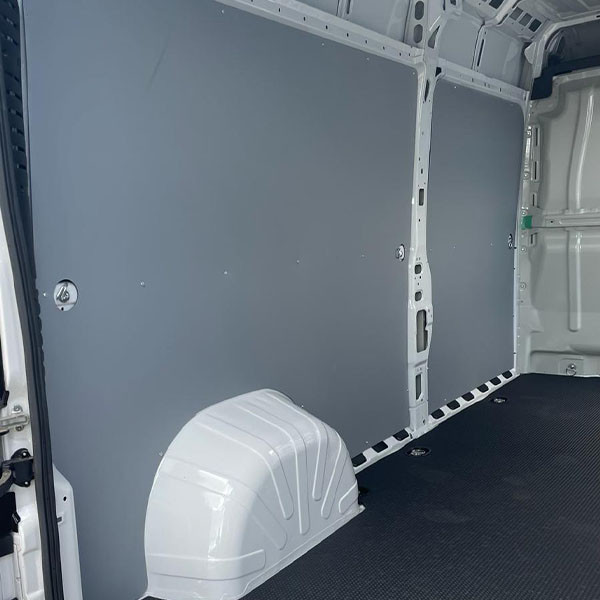
Lightweight PP bubble board and honeycomb panels for automotive interior wall, ceiling, and floor applications. Durable, moisture-resistant, and customizable.
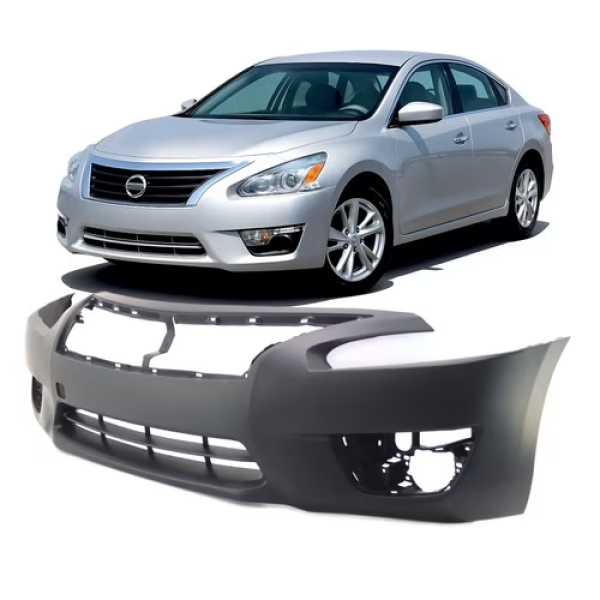
High-performance automotive exterior body panels made from ABS and TPO materials. Polyreflex offers durable, lightweight, and customizable thermoformed solutions with excellent surface finish and weather resistance.
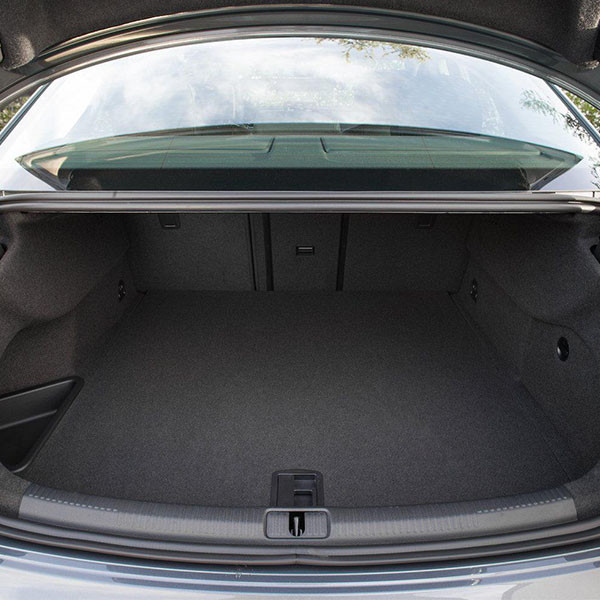
Lightweight and durable automotive trunk floor panel solutions using PP bubble board and honeycomb materials. Designed for high load capacity, moisture resistance, and OEM customization across modern vehicle cargo systems.
Processing Options for Automotive Interior Panels
Modern automotive components often require custom fabrication processes in addition to raw material supply.
Polyreflex provides multiple processing capabilities for automotive thermoplastic panels.
CNC Cutting and Routing
CNC machining allows precise cutting, drilling and shaping of automotive panels.
Custom features such as mounting holes, slots and edge trimming can be produced accurately according to OEM requirements.
Vacuum Forming
ABS Sheets can be vacuum formed into complex three-dimensional automotive interior components.
This process is widely used for door panels, interior trims and decorative covers.
Edge Sealing and Lamination
Additional processing such as edge sealing and surface lamination improves appearance and durability.
Decorative films, textured surfaces and customized finishes can also be applied.
Custom Surface Textures and Colors
Automotive manufacturers often require customized textures, matte surfaces or special colors to match vehicle interior designs.
Thermoplastic sheets can be produced according to project specifications.
OEM Component Fabrication
Polyreflex supports customized automotive component manufacturing including:
This helps simplify customer production processes and improve manufacturing efficiency.
How Polyreflex Supports Automotive Manufacturers
Polyreflex is a professional manufacturer of thermoplastic sheets and lightweight panel solutions for automotive applications.
The company provides a wide range of automotive materials including:
With strong manufacturing capabilities and OEM customization experience, Polyreflex supports automotive OEMs, Tier suppliers and component manufacturers worldwide.
Polyreflex offers:
The company focuses not only on supplying raw materials, but also on providing complete automotive plastic panel solutions based on customer applications.
From lightweight trunk floor systems to thermoformed interior components, Polyreflex helps customers optimize performance, weight and production efficiency.
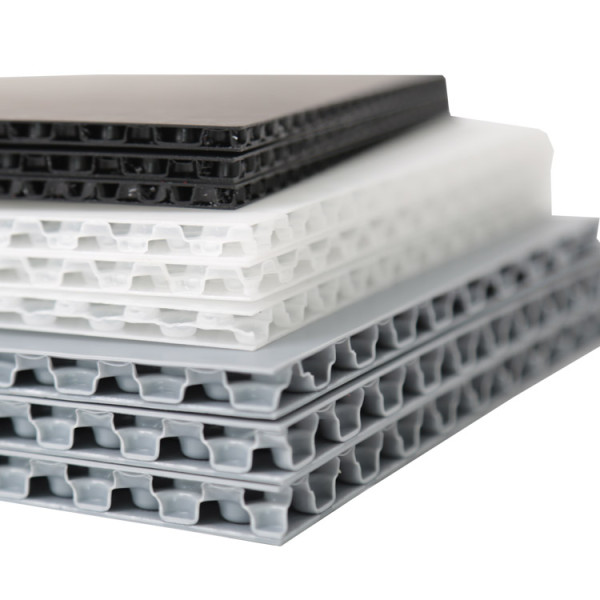
PP honeycomb board has light weight and strong load-bearing capacity, it is the best material for turnover logistics packaging.
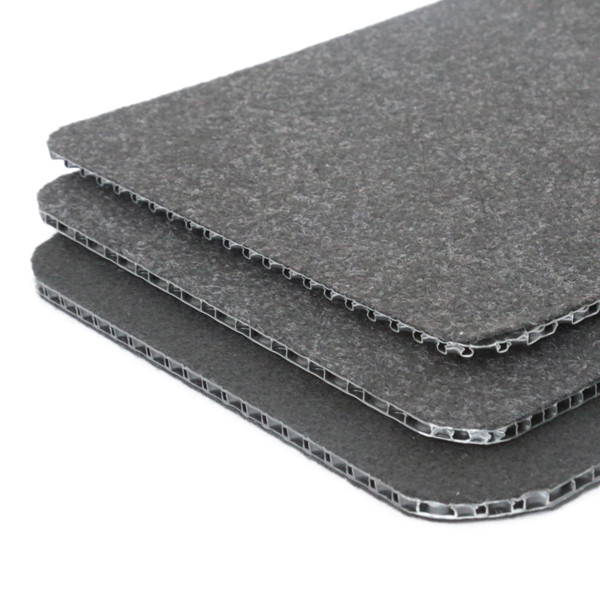
It can noise insulate, noise reduce, load bear, offer used as spare wheel cover, seat back, side and roof panel of automotive
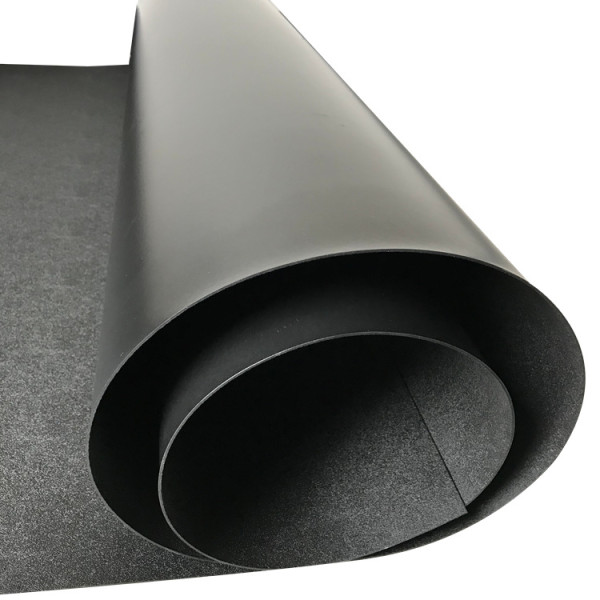
Elastic material, harmless, possess good hardness, flex fatigue and impact resistance, suitable for injection & vacuum forming
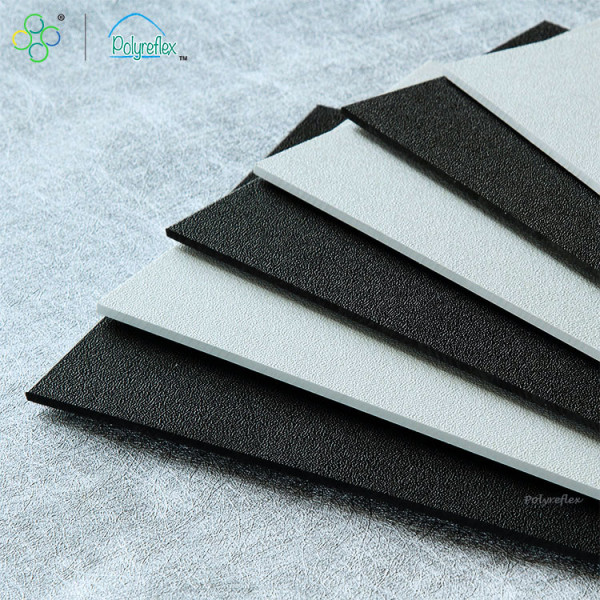
Polyreflex ABS sheet is a highly impact-resistant plastic, designed for easy thermoforming, CNC machining, and laser cutting.
Conclusion
Both PP Honeycomb Panels and ABS Sheets play important roles in modern automotive interior manufacturing, but they serve different functions.
PP Honeycomb Panels are ideal for lightweight structural applications requiring excellent rigidity and weight reduction. They are widely used in trunk floors, seat back panels and interior structural systems.
ABS Sheets are better suited for decorative thermoformed interior components that require smooth surfaces, complex shapes and premium appearance.
As automotive lightweighting continues to evolve, many manufacturers increasingly combine both materials to achieve the best balance between structure, appearance and cost efficiency.
Polyreflex provides customized thermoplastic sheet solutions for automotive interior applications, from raw material supply to CNC fabrication and thermoformed component production.
FAQ
What is the difference between PP honeycomb panel and ABS sheet?
PP Honeycomb Panel is a lightweight sandwich panel designed mainly for structural applications, while ABS Sheet is a solid thermoplastic sheet commonly used for decorative thermoformed interior parts.
Which material is lighter for automotive interior panels?
PP Honeycomb Panels are significantly lighter than ABS Sheets because of their honeycomb core structure.
Can PP honeycomb panels be thermoformed?
PP Honeycomb Panels are generally used for flat or slightly shaped structural parts. They are less suitable for deep thermoforming compared with ABS Sheets.
Why are ABS sheets used in automotive interiors?
ABS Sheets offer excellent surface quality, impact resistance and thermoforming capability, making them ideal for visible automotive interior components.
What automotive parts commonly use PP honeycomb panels?
PP Honeycomb Panels are commonly used in trunk floor boards, seat back panels, load floors and lightweight structural interior systems.
Does Polyreflex provide CNC machining and vacuum forming services?
Yes. Polyreflex provides CNC cutting, routing, drilling, vacuum forming and customized fabrication services for automotive thermoplastic panels.