Honeycomb Panel vs Solid Plastic Sheet in Automotive Applications
- Share
- From
- www.polyreflex.com
- publisher
- Polyreflex
- Issue Time
- Jul 10,2026
Summary
Compare honeycomb panels and solid plastic sheets for automotive applications. Explore structural differences, weight, stiffness, processing methods, and material selection for automotive components.
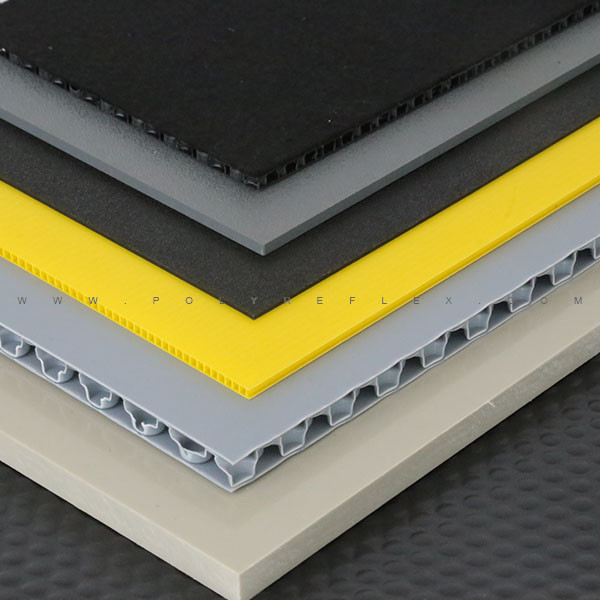
1. Introduction: Choosing the Right Plastic Panel for Automotive Applications
Automotive manufacturers are constantly looking for materials that balance weight, structural performance, durability, and production efficiency. From trunk floor panels and seat back panels to interior trim and protective components, plastic panels play an important role in modern vehicle design.
Two options worth considering are honeycomb panels and solid plastic sheets. Although both can be used to manufacture automotive components, their structures and performance characteristics differ significantly.
Honeycomb panels use a cellular core structure to achieve an efficient balance between weight and stiffness. Solid plastic sheets, including ABS, TPO/TPE, and HDPE sheets, offer material-specific properties and processing options for different automotive applications.
Understanding these differences helps manufacturers make more informed decisions about material selection, component design, and manufacturing methods.
In this article, we compare honeycomb panels and solid plastic sheets in terms of structure, weight, mechanical performance, surface finish, processing, and typical automotive applications.
2. What Is a Honeycomb Panel?
2.1 Structure of Honeycomb Panels
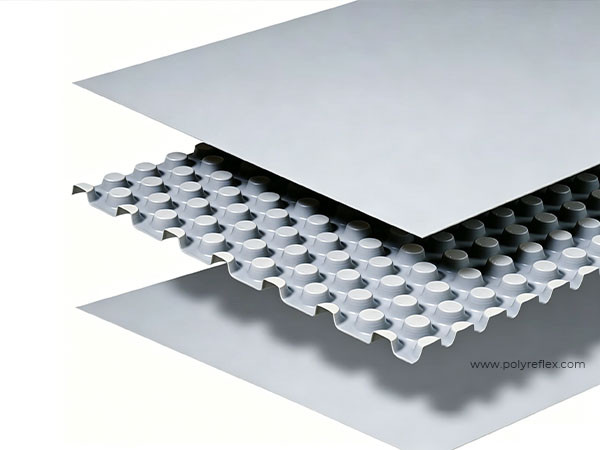
A honeycomb panel is a lightweight panel featuring a cellular core with a honeycomb-like geometry. In thermoplastic honeycomb panels, polypropylene (PP) is a commonly used material.
Depending on the panel design, the honeycomb core may be combined with surface layers to create a lightweight sandwich structure. The core geometry and the relationship between the core and the outer layers influence the panel's overall stiffness, strength, and weight.
Unlike a solid plastic sheet, which contains continuous material throughout its thickness, a honeycomb panel uses its internal structure to improve structural efficiency while reducing material consumption.
This makes honeycomb panels particularly relevant to automotive components where weight reduction and panel rigidity are important design considerations.
2.2 Key Characteristics of Honeycomb Panels
Lightweight structure
The cellular core reduces the amount of material required compared with a solid panel of similar overall thickness. This can help reduce component weight, depending on the panel construction and design requirements.
High stiffness-to-weight potential
The honeycomb geometry can provide favorable bending stiffness relative to weight. Actual performance depends on core geometry, panel thickness, surface layers, bonding, and load direction.
Design flexibility
Honeycomb panels can be evaluated for large, relatively flat components that need to maintain their shape while minimizing weight.
Moisture resistance
Polypropylene-based panels resist water absorption, making them suitable for many automotive interior and cargo-area environments. Other environmental requirements must still be assessed for the finished component.
Compatibility with panel fabrication
Depending on the construction, honeycomb panels can be cut, routed, drilled, laminated, or otherwise processed to meet component specifications. Edge finishing and fastening design may require special consideration because of the cellular core.
2.3 Common Automotive Applications
PP honeycomb panels are particularly relevant to lightweight structural and semi-structural automotive components, including:
These applications often prioritize low weight, panel stiffness, dimensional requirements, and compatibility with the vehicle's assembly structure.
PP Bubble Board
ABS Sheet
3. What Is a Solid Plastic Sheet?
3.1 Structure of Solid Plastic Sheets
A solid plastic sheet is made from continuous plastic material throughout its thickness, without a cellular honeycomb core. Its performance depends primarily on the resin type, formulation, sheet thickness, manufacturing process, and any surface treatments or laminations.
Solid plastic sheets are available in different thermoplastic materials. For automotive applications, ABS, TPO/TPE, and HDPE may be considered for different component requirements.
Each material offers a different balance of rigidity, toughness, surface appearance, formability, and environmental resistance. Selecting the appropriate material requires an understanding of the finished component's function and operating conditions.
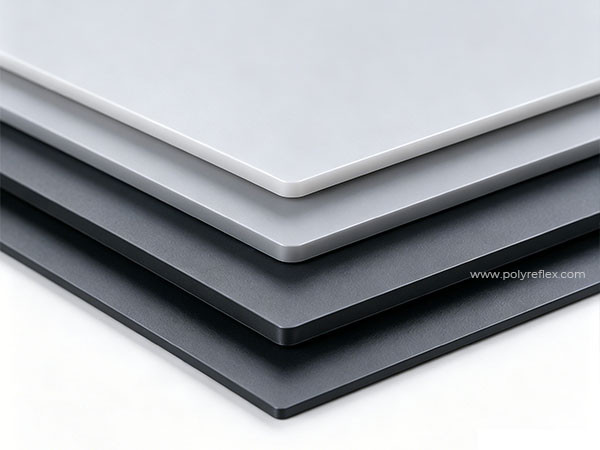
3.2 ABS Sheet for Automotive Applications
ABS (acrylonitrile butadiene styrene) is widely used in applications where surface appearance, toughness, and thermoforming performance are important.
Key characteristics include:
ABS sheets can be considered for selected automotive interior panels, trim components, formed covers, and other parts requiring a defined surface finish.
The suitability of a specific ABS grade depends on factors such as operating temperature, impact requirements, and exposure to chemicals or ultraviolet radiation.
3.3 TPO/TPE Sheet for Automotive Applications
TPO and TPE are related categories of thermoplastic materials, but they are not interchangeable. Their properties vary according to formulation and material composition.
Depending on the grade, these materials may provide a useful combination of flexibility, impact performance, and surface characteristics for automotive interior or exterior components.
Potential applications include selected trim panels, protective components, and formed automotive parts.
Material selection should consider forming temperature, dimensional stability, temperature resistance, weathering requirements, and the surface properties needed for the finished part.
3.4 HDPE Sheet for Automotive Applications
HDPE (high-density polyethylene) is valued for its moisture resistance, chemical resistance, and toughness in suitable applications.
For automotive-related components, HDPE sheets may be considered for selected protective panels and utility vehicle parts, including applications where resistance to water, abrasion, or certain chemicals is important.
The suitability of HDPE depends on the specific design. Manufacturers should assess stiffness, impact performance at different temperatures, forming behavior, fastening requirements, and long-term exposure conditions.
For example, an automotive underbody shield requires different performance considerations from an interior decorative panel. Material selection should reflect the actual function and testing requirements of the component.
4. Honeycomb Panel vs Solid Plastic Sheet: Key Differences
Although honeycomb panels and solid plastic sheets can both be used in automotive manufacturing, they should not be treated as directly interchangeable materials. Their structural designs and material properties lead to different advantages and limitations.
4.1 Structure and Weight
The most fundamental difference is the internal structure.
A honeycomb panel uses a cellular core to reduce material usage while providing structural efficiency. This makes it attractive for applications where a large panel needs to remain relatively lightweight.
A solid plastic sheet contains continuous material throughout its thickness. Its weight depends on the resin density and sheet thickness.
For a meaningful comparison, manufacturers should compare finished panels with the same functional requirements rather than simply comparing sheets of equal thickness. A thicker or differently constructed panel may be necessary to achieve the required performance.
4.2 Stiffness and Structural Performance
Honeycomb panels can provide a favorable stiffness-to-weight ratio, particularly in bending. Their performance is influenced by the core structure, surface layers, overall thickness, and the way loads are applied.
Solid plastic sheets obtain their stiffness from the material itself and the sheet's thickness and geometry. Different plastics can have substantially different mechanical properties.
For example, ABS, TPO/TPE, and HDPE should not be assumed to have identical stiffness or impact performance.
The appropriate choice depends on whether the component needs to support loads, resist bending, withstand repeated impacts, or maintain a particular shape under operating conditions.
4.3 Surface Appearance and Finishing
Surface requirements can be an important factor in automotive interior design.
Solid ABS sheets can be supplied with different surface textures and may be suitable for decorative finishing or lamination, depending on the specification.
TPO/TPE sheets can be selected when their particular surface characteristics and material properties match the intended component.
Honeycomb panels can also incorporate finished surface layers, but their appearance and finishing options depend on the panel construction. The exposed core at cut edges may require additional finishing or edge protection.
For visible automotive parts, manufacturers should evaluate not only the original sheet surface but also the final component's appearance after forming, trimming, lamination, and assembly.
4.4 Thermoforming and Shape Complexity
Solid plastic sheets are commonly considered for thermoforming applications when the selected material offers suitable forming characteristics.
ABS, for example, is widely used for formed components that require defined contours and an attractive surface. TPO/TPE and HDPE may also be used in forming applications when the grade and processing conditions are appropriate.
Honeycomb panels require a different assessment. Their ability to undergo forming depends on the core structure, surface layers, bonding system, and forming method. Some panel constructions are intended primarily for flat or relatively simple shapes rather than deep-drawn geometries.
Manufacturers should therefore evaluate the entire panel construction and the intended forming process before deciding which option is suitable.
4.5 CNC Machining and Edge Finishing
Both honeycomb panels and solid plastic sheets can be considered for CNC cutting and other machining operations, but their processing requirements differ.
With honeycomb panels, machining may expose the cellular core. The design may therefore require edge sealing, inserts, special fastening methods, or additional finishing.
Solid plastic sheets generally provide continuous material at the cut edge, although machining parameters and finishing requirements vary by polymer and sheet thickness.
For components with complex cutouts, mounting holes, clips, or threaded fasteners, the manufacturing team should evaluate the complete component design rather than relying on sheet material alone.
4.6 Durability and Environmental Performance
Neither panel structure is automatically more durable in every situation.
Honeycomb panel performance depends on the core, surface layers, bonding, edge protection, and load conditions. Solid sheet performance depends on the resin, formulation, thickness, component geometry, and operating environment.
For automotive applications, relevant factors may include:
The final component should be evaluated against its actual performance requirements. Where necessary, material data and prototype testing should be used to confirm suitability.
4.7 Cost and Production Efficiency
Material price alone does not determine the most economical solution.
Honeycomb panels may reduce component weight and material consumption, but edge finishing, inserts, joining methods, or specialized processing can affect total production cost.
Solid plastic sheets may be more suitable for certain formed or decorative parts because of their material-specific processing characteristics. However, the final cost also depends on material thickness, forming yield, machining time, finishing, and production volume.
A useful comparison should therefore consider total component cost, manufacturing efficiency, assembly requirements, and performance over the intended service life.
5. Which Panel Is Better for Different Automotive Applications?
The most appropriate material depends on the component's function. The following examples illustrate how manufacturers can approach material selection.
5.1 Trunk Floor Panels and Cargo-Area Panels
Trunk floor panels need to provide a usable cargo surface while meeting requirements for weight, stiffness, durability, and dimensional accuracy.
PP honeycomb panels are worth evaluating when lightweight construction and panel rigidity are important. Their suitability depends on cargo loads, support spacing, panel thickness, and the design of mounting points.
Solid plastic sheets may be considered for applications that require a continuous material structure or specific forming and surface characteristics.
The decision should be based on the finished panel's load capacity, deflection limits, attachment method, and cost rather than material weight alone.
5.2 Seat Back Panels
Automotive seat back panels may need to combine low weight, dimensional stability, fastening features, and compatibility with decorative coverings.
PP honeycomb panels can be considered for lightweight seat back designs where the panel construction meets the required stiffness and attachment requirements.
Other panel constructions may be more appropriate where the component requires specific surface characteristics, local structural features, or a particular forming process.
Designers should evaluate the panel, its mounting points, any foam or fabric layers, and the requirements of the complete seat assembly.
5.3 Automotive Interior Panels
Interior components may place greater emphasis on appearance, surface texture, forming complexity, and dimensional consistency.
ABS sheets are suitable candidates for selected thermoformed interior parts that require a defined surface finish. TPO/TPE sheets may be appropriate where their material characteristics match the component's design and performance requirements.
Honeycomb panels can be evaluated for larger interior panels where weight and structural efficiency are important.
The best solution depends on whether the part primarily serves a decorative, protective, or structural function.
5.4 Underbody Shields and Protective Components
Underbody shields and other protective components operate under different conditions from interior panels. They may need to withstand road debris, abrasion, moisture, temperature variation, and exposure to automotive fluids.
HDPE sheets can be evaluated for selected protective applications where their chemical and moisture resistance and toughness are useful.
Other thermoplastic materials may be suitable depending on the required stiffness, impact performance, heat resistance, and forming process.
Honeycomb panels should not be treated as a universal substitute for solid protective sheets. Any proposed structure must meet the component's actual impact, environmental, and durability requirements.
5.5 Truck Cargo Liners and Utility Vehicle Components
Truck cargo liners and utility vehicle protection components may face repeated loading, abrasion, impacts, moisture, and exposure to dirt or chemicals.
For these applications, material selection should prioritize the requirements of the finished component, including surface durability, toughness, cleaning, attachment, and vehicle-specific fit.
Solid plastic sheets may be appropriate for certain cargo-area protection designs, while lightweight panel structures may be considered for other vehicle interior or cargo-area components.
The material and panel design should be validated against the intended vehicle model, installation method, and use conditions.
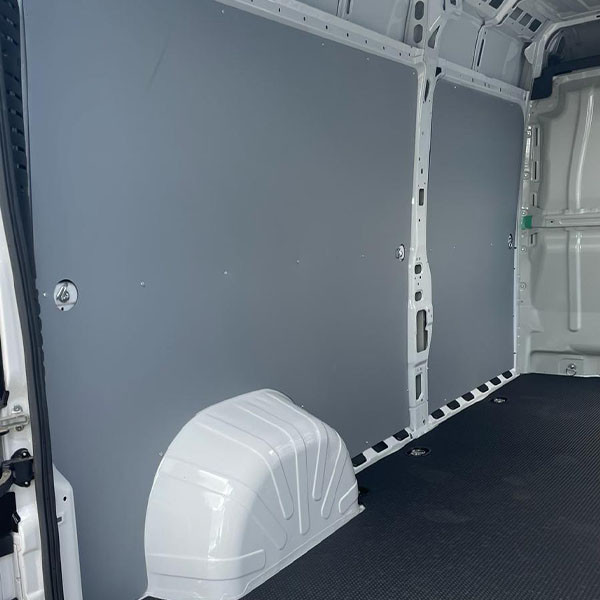
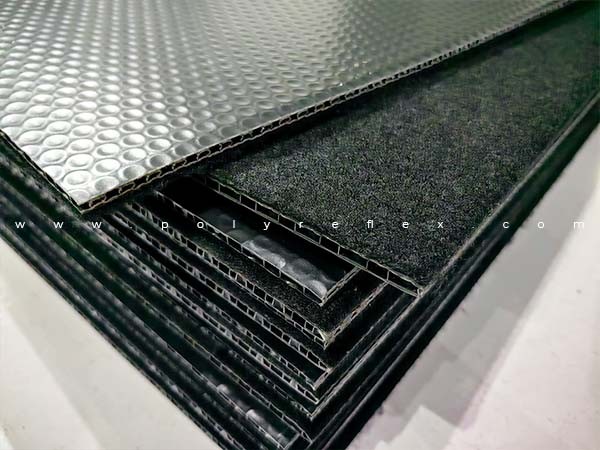
Lightweight PP bubble board and honeycomb panels for automotive interior wall, ceiling, and floor applications. Durable, moisture-resistant, and customizable.
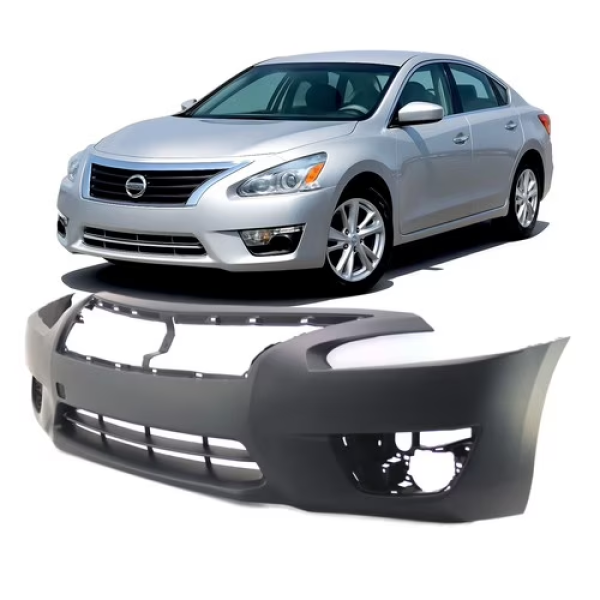
High-performance automotive exterior body panels made from ABS and TPO materials. Polyreflex offers durable, lightweight, and customizable thermoformed solutions with excellent surface finish and weather resistance.
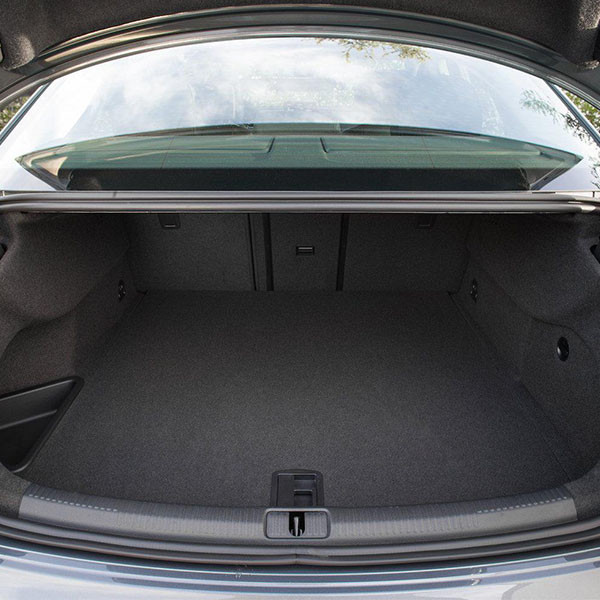
Lightweight and durable automotive trunk floor panel solutions using PP bubble board and honeycomb materials. Designed for high load capacity, moisture resistance, and OEM customization across modern vehicle cargo systems.
6. Manufacturing and Processing Considerations
Choosing the right panel requires more than comparing material properties. The material must also be compatible with the manufacturing process used to produce the final automotive component.
6.1 Thermoforming and Vacuum Forming
Thermoforming and vacuum forming are widely used to manufacture shaped plastic components.
ABS sheets are commonly considered for formed interior parts because of their forming characteristics and surface options. TPO/TPE and HDPE may also be used when the selected grade and part design are compatible with the process.
Honeycomb panels require careful consideration of core geometry, surface layers, bonding, heat transfer, and the degree of deformation required.
Before production, manufacturers should evaluate forming temperature, material distribution, dimensional stability, surface quality, and the potential for defects.
6.2 CNC Cutting and Trimming
CNC machining helps manufacturers produce accurate panel outlines, mounting holes, slots, and other component features.
Solid plastic sheets can generally be machined with continuous edges, subject to the properties of the selected polymer and the required tolerances.
Honeycomb panels can also be machined, but the cellular core may be exposed at cut edges. Depending on the component design, additional edge finishing or reinforcement may be needed.
Machining strategy should be selected according to the material, panel construction, tool requirements, and final component specifications.
6.3 Lamination and Surface Finishing
Surface finishing can affect both the appearance and functionality of automotive panels.
Solid plastic sheets may be supplied with smooth or textured surfaces and may be compatible with selected lamination processes.
Honeycomb panels can incorporate surface layers to achieve a particular appearance or functional finish. The suitability of a lamination system depends on the facing material, adhesive or bonding method, temperature conditions, and intended service environment.
For either panel type, manufacturers should assess adhesion, surface durability, forming compatibility, and the final appearance after processing.
6.4 Assembly and Joining
Automotive panels often need to be connected to brackets, frames, clips, or other components.
For honeycomb panels, the cellular core can influence local fastening strength. Inserts, reinforced zones, edge treatments, or other design measures may be necessary.
Solid plastic sheets may allow different fastening and joining approaches, depending on the material and sheet thickness.
The assembly design should account for load distribution, vibration, repeated use, and the accessibility of fastening points. Prototype testing can help identify problems before mass production.
7. How to Choose the Right Panel for Your Automotive Project
Before selecting a honeycomb panel or a solid plastic sheet, manufacturers should define the component's functional and production requirements.
1. Weight target
Does the component have a specific weight limit? If lightweight construction is a priority, a honeycomb panel may be worth evaluating.
2. Structural requirements
What loads must the panel support? Consider stiffness, deflection, impact, mounting points, and the direction in which loads will be applied.
3. Surface requirements
Does the component need a smooth surface, a specific texture, decorative lamination, or resistance to abrasion?
4. Processing method
Will the part be thermoformed, vacuum formed, CNC machined, laminated, or assembled using mechanical fasteners?
5. Operating environment
Will the component be exposed to heat, moisture, chemicals, road debris, vibration, or repeated loading?
6. Cost and production volume
Consider the total cost of the finished component, including material, forming, machining, finishing, assembly, and quality control.
7. Validation requirements
Determine which mechanical, environmental, dimensional, and durability tests are necessary for the intended application.
By reviewing these factors together, manufacturers can narrow down suitable material options and reduce the risk of choosing a panel that performs well as a raw sheet but fails to meet the requirements of the finished component.
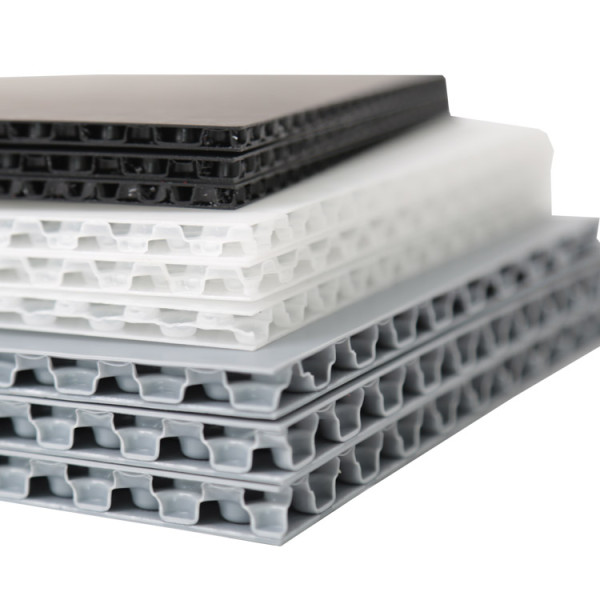
PP honeycomb board has light weight and strong load-bearing capacity, it is the best material for turnover logistics packaging.
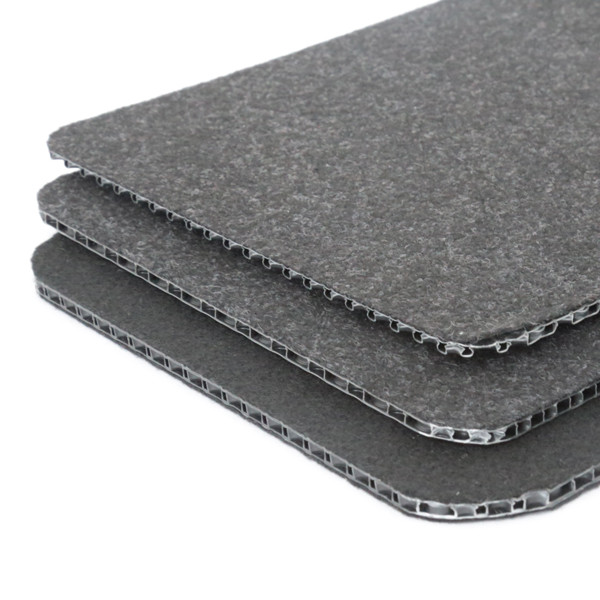
It can noise insulate, noise reduce, load bear, offer used as spare wheel cover, seat back, side and roof panel of automotive
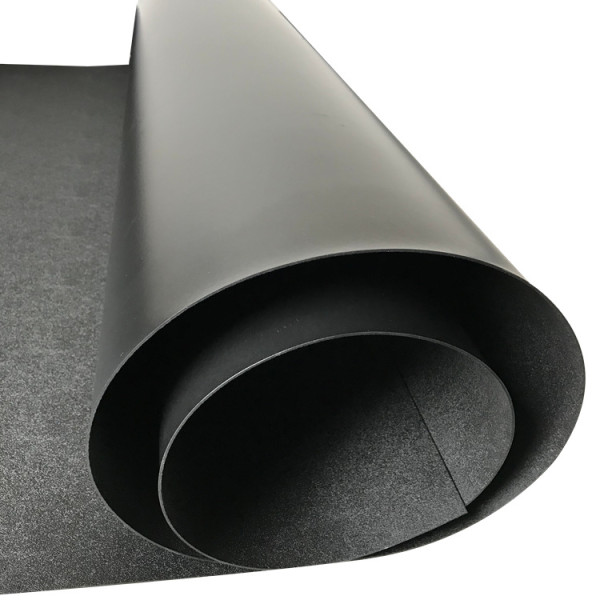
Elastic material, harmless, possess good hardness, flex fatigue and impact resistance, suitable for injection & vacuum forming
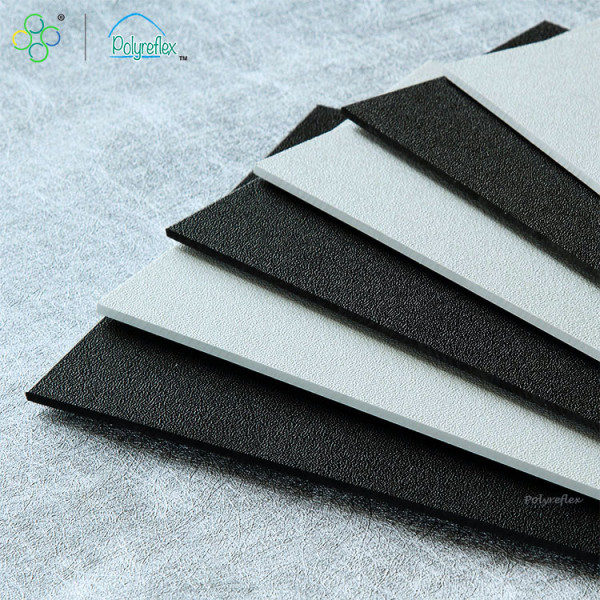
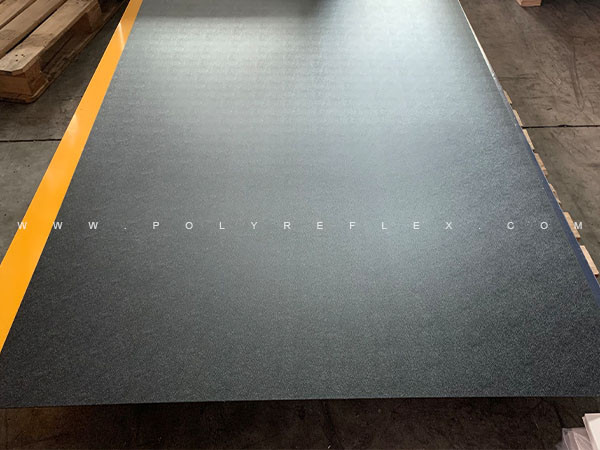
Polyreflex ABS sheet is a highly impact-resistant plastic, designed for easy thermoforming, CNC machining, and laser cutting.
8. Automotive Plastic Panel Solutions from Polyreflex
Polyreflex supplies thermoplastic sheet materials and lightweight panel solutions for a range of industrial and automotive applications.
Its product range includes PP honeycomb panels, PP bubble boards, ABS sheets, TPO/TPE sheets, and HDPE sheets. These materials serve different purposes and can be evaluated according to the structural, surface, and processing requirements of each automotive component.
For lightweight panel applications, PP honeycomb panels may be considered for components such as trunk floor panels and seat back panels. For selected formed or protective parts, ABS, TPO/TPE, and HDPE sheets may provide alternative solutions depending on the required performance and manufacturing process.
Material selection is only one part of the development process. Panel dimensions, thickness, surface finish, machining requirements, fastening details, and the geometry of the finished part also influence the final result.
Polyreflex works with customers to discuss material specifications and application requirements for automotive plastic panel projects. Depending on the product and project scope, customization and processing requirements can be evaluated to support the development of suitable components.
For manufacturers developing new automotive panels or optimizing existing parts, sharing the component drawing, target dimensions, operating conditions, and processing method can help establish a more focused material selection process.
9. Frequently Asked Questions
Q1. What is the main difference between a honeycomb panel and a solid plastic sheet?
A honeycomb panel uses a cellular core structure to reduce material usage while providing structural efficiency. A solid plastic sheet contains continuous plastic material throughout its thickness. The better option depends on the component's weight, stiffness, surface, processing, and durability requirements.
Q2. Are honeycomb panels lighter than solid plastic sheets?
Honeycomb panels can offer a weight advantage because their cellular core uses less material than a solid structure of comparable overall thickness. However, the actual weight difference depends on the panel construction, resin, thickness, surface layers, and performance requirements.
Q3. Which panel is better for automotive trunk floor applications?
PP honeycomb panels are worth evaluating for trunk floor applications where lightweight construction and panel stiffness are important. A solid plastic sheet may suit other designs that require particular forming or structural characteristics. The final choice should be based on load capacity, deflection, mounting design, and testing.
Q4. Can honeycomb panels be thermoformed or CNC machined?
Honeycomb panels can be CNC cut and machined, subject to their construction and processing requirements. Thermoforming suitability depends on the core structure, surface layers, bonding system, and degree of deformation. The intended process should be evaluated for the specific panel design.
Q5. Which solid plastic materials are used for automotive interior panels?
ABS is commonly considered for formed interior components requiring a defined surface finish. TPO/TPE may be suitable for selected trim and protective applications, depending on the material grade. HDPE is more relevant to applications where its toughness and environmental resistance meet the design requirements.
Q6. How do I choose the right plastic panel for my automotive component?
Start by defining the component's function, target weight, load requirements, surface finish, processing method, operating environment, and production volume. Compare candidate panels against these requirements, then validate the selected design through appropriate material data and prototype testing.
10. Conclusion: Match Panel Structure to Application Requirements
Honeycomb panels and solid plastic sheets offer different approaches to automotive panel design.
PP honeycomb panels can provide an efficient balance between weight and stiffness for suitable structural and semi-structural applications. Solid plastic sheets, including ABS, TPO/TPE, and HDPE, offer material-specific characteristics for formed interior components, trim, and selected protective parts.
Neither option is universally better. The right choice depends on the finished component's function, mechanical requirements, surface quality, processing method, and operating environment.
For automotive manufacturers and component suppliers, evaluating the complete panel design rather than focusing on a single material property is the most reliable way to identify a suitable solution.
Polyreflex provides a range of thermoplastic sheet materials for automotive applications. By sharing your component requirements and manufacturing details, you can work with the team to evaluate material options for your next automotive panel project.