Why PP Bubble Board Is Ideal for Car Trunk Floor Boards
- Share
- From
- www.polyreflex.com
- publisher
- Polyreflex
- Issue Time
- Feb 11,2026
Summary
Discover why PP bubble board is widely used for automotive trunk floor panels. Learn its lightweight structure, durability, and processing advantages for car interior applications.
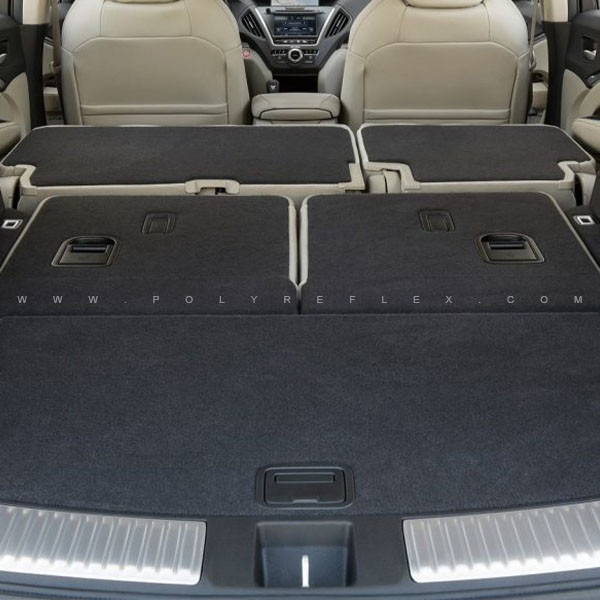
In modern automotive manufacturing, lightweight design has become a key priority. Automakers and component suppliers are constantly looking for materials that can reduce vehicle weight without sacrificing strength, durability, or manufacturing efficiency. One component where this balance is particularly important is the trunk floor board. As vehicles evolve toward improved fuel efficiency and electric mobility, lightweight thermoplastic materials are increasingly replacing traditional wood or heavy composite boards.
Among the available solutions, PP bubble board has become one of the most widely used materials for automotive trunk floor structures. Thanks to its lightweight construction, high strength, moisture resistance, and excellent processing flexibility, PP bubble board offers an ideal balance of performance and cost efficiency. For automotive manufacturers and Tier suppliers, it provides a reliable material solution that meets both engineering and production requirements.
Automotive Trunk Floor
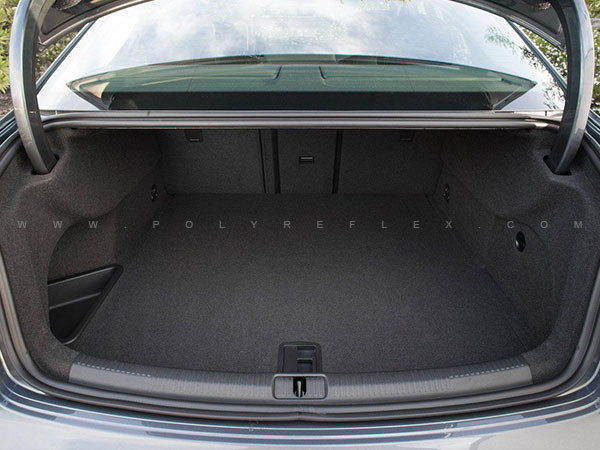
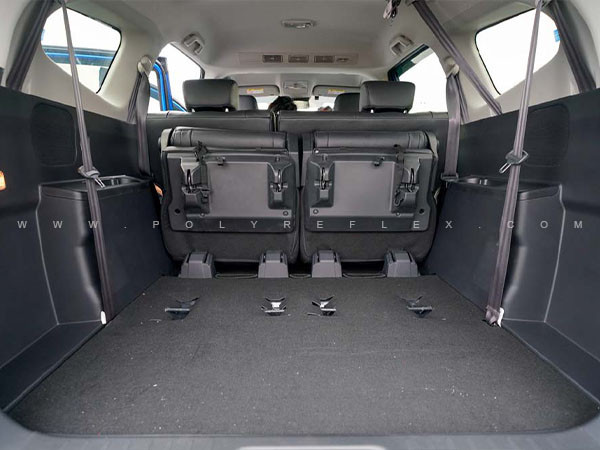
Automotive Trunk Floor
Automotive Requirements for Trunk Floor Boards
The trunk floor board is a structural component located in the luggage compartment of a vehicle. While it may appear simple, this panel plays several important roles. It supports cargo weight, protects underlying components, and contributes to the overall durability and functionality of the trunk area.
To perform effectively, trunk floor boards must meet several key requirements.
Lightweight Construction
Reducing vehicle weight has become a major focus across the automotive industry. Lightweight materials help improve fuel efficiency in traditional vehicles and extend the driving range of electric vehicles. Trunk floor boards therefore need to provide adequate strength while keeping material weight as low as possible.
High Load-Bearing Capacity
The trunk floor must support a wide variety of loads, including luggage, tools, and cargo. In some cases, it must also support the weight of spare tires or storage compartments located beneath the floor panel. The material must therefore offer sufficient stiffness and load-bearing capability to prevent deformation.
Impact and Fatigue Resistance
Trunk floor panels are repeatedly exposed to mechanical stress during daily use. Dropped luggage, shifting cargo, and constant vibration can create long-term fatigue. A suitable material must maintain its structural integrity even after extended use.
Moisture and Chemical Resistance
Unlike many interior components, trunk areas are frequently exposed to moisture, dust, and cleaning agents. Traditional materials such as wood-based boards can absorb water and degrade over time. Automotive trunk panels must therefore resist moisture and common chemicals.
Cost-Effective Manufacturing
Automotive production requires materials that can be processed efficiently in high volumes. The trunk floor board must be compatible with cutting, forming, and lamination processes used in automotive interior manufacturing.
These requirements make thermoplastic structural boards particularly attractive for modern trunk floor designs.
What Is PP Bubble Board?
PP bubble board is a lightweight thermoplastic panel made from polypropylene. It features a distinctive bubble-shaped core structure sandwiched between two flat outer layers. This structure creates a panel that combines low weight with excellent rigidity and durability.
The internal bubble geometry acts as a reinforcement system, distributing loads across the panel while minimizing material consumption. As a result, the board achieves a strong strength-to-weight ratio, making it suitable for automotive structural applications.
Typical characteristics of PP bubble boards include:
Lightweight construction High stiffness and structural stability Excellent impact resistance Moisture and chemical resistance Recyclable polypropylene material
Because it is made from thermoplastic polypropylene, PP bubble board can also be processed using a variety of fabrication techniques such as CNC cutting, thermoforming, and lamination. This processing flexibility allows manufacturers to create trunk floor components with customized shapes, edges, and surface finishes.
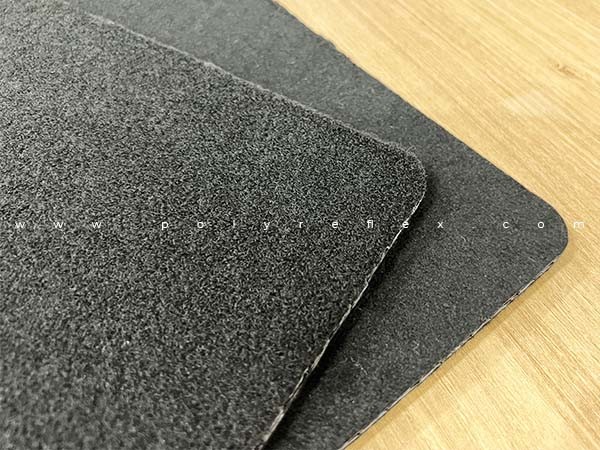
Double-side Fabric Laminated PP Bubble Board
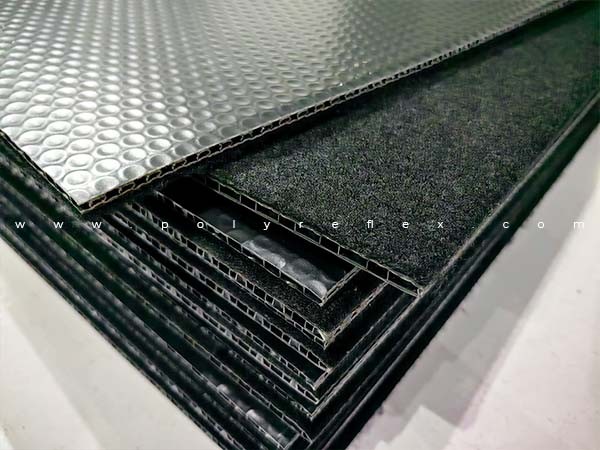
Single-side Fabric Laminated PP Bubble Board
Advantages of PP Bubble Board for Trunk Floor Boards
PP bubble board offers several performance advantages that make it particularly suitable for automotive trunk floor applications.
Lightweight Yet Strong Structure
One of the most important benefits of PP bubble board is its lightweight structure. The bubble-shaped core reduces the overall material density while maintaining structural rigidity. Compared with traditional solid plastic boards or wood panels, PP bubble boards can significantly reduce component weight without compromising strength.
For automotive manufacturers, this reduction in weight contributes to improved fuel efficiency, better vehicle performance, and greater energy efficiency for electric vehicles.
Excellent Load Capacity
Despite its lightweight design, PP bubble board provides excellent load-bearing capability. The bubble core distributes mechanical stress across the panel, allowing it to support heavy loads without excessive bending or deformation.
This structural stability makes the material well suited for trunk floors that must handle luggage, equipment, and cargo during everyday vehicle use.
Durable and Impact Resistant
Automotive trunk floors are frequently subjected to impacts from heavy objects. PP bubble board offers strong impact resistance and fatigue durability, helping maintain the integrity of the trunk floor over time.
Unlike wood-based materials, polypropylene panels do not crack, warp, or degrade under repeated mechanical stress.
Moisture and Chemical Resistance
Polypropylene is naturally resistant to moisture, oils, and many common chemicals. This makes PP bubble board particularly suitable for the trunk environment, where water, dirt, or cleaning agents may be present.
Because the material does not absorb water, it maintains its strength and dimensional stability even under humid conditions.
Cost-Effective for Mass Production
Another advantage of PP bubble board is its compatibility with high-volume manufacturing processes. The material can be easily cut, formed, and laminated, allowing automotive component manufacturers to produce trunk floor assemblies efficiently.
This combination of performance and manufacturing efficiency makes PP bubble board a cost-effective solution for automotive interior components.
Typical Structure of Automotive Trunk Floor Panels
In modern vehicles, the trunk floor assembly often consists of multiple layers designed to improve durability, appearance, and functionality.
A typical trunk floor structure may include:
In many designs, PP bubble board serves as the primary structural layer of the trunk floor system. Its rigidity helps support cargo weight, while its lightweight structure helps reduce the overall weight of the vehicle interior.
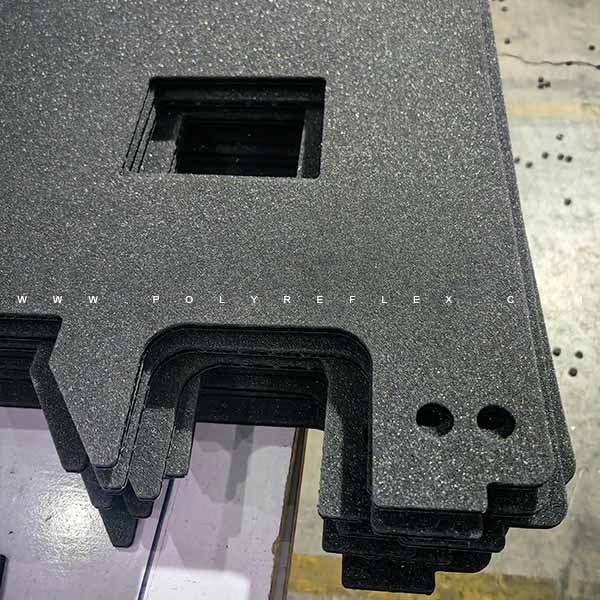
TPU Laminated Surface
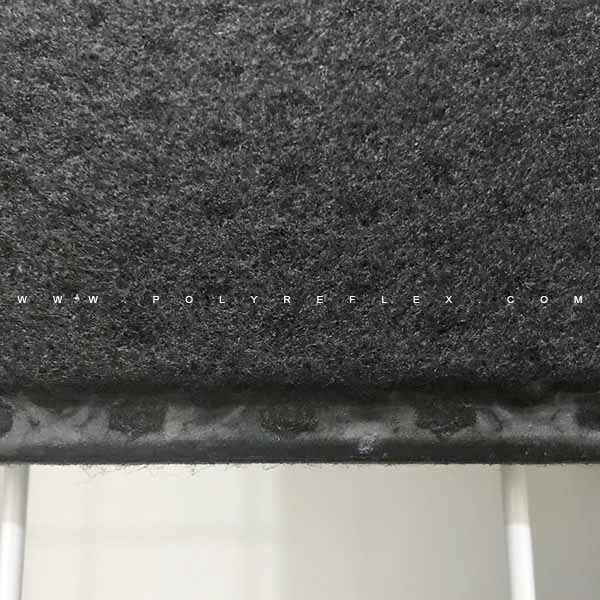
Fabric Laminated Surface
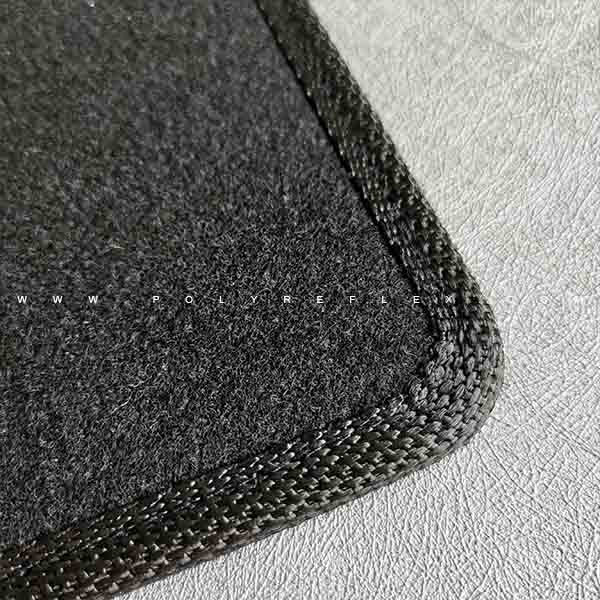
Reinforced Edges
Processing Options for Automotive Bubble Boards
To meet the specific requirements of automotive components, PP bubble boards can be processed using several fabrication techniques.
Polyreflex Automotive Material Solutions
For automotive manufacturers and component suppliers, selecting the right material partner is essential. Polyreflex specializes in the production and processing of thermoplastic sheet materials for industrial applications, including the automotive sector.
The company provides a range of materials commonly used in automotive interior and exterior components, including:
In addition to material supply, Polyreflex offers fabrication services such as CNC cutting, thermoforming, and custom panel processing. These capabilities allow customers to obtain both raw materials and semi-finished components tailored to their specific automotive applications.
With experience in lightweight panel manufacturing and customized fabrication, Polyreflex supports automotive suppliers in developing reliable and efficient material solutions.
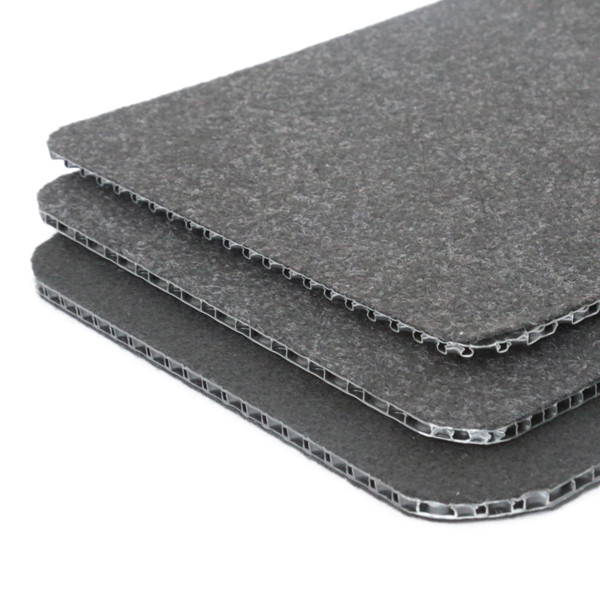
It can noise insulate, noise reduce, load bear, offer used as spare wheel cover, seat back, side and roof panel of automotive
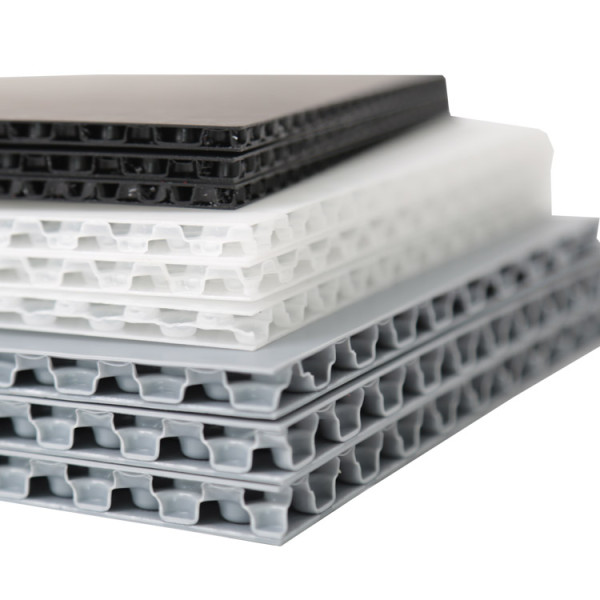
PP honeycomb board has light weight and strong load-bearing capacity, it is the best material for turnover logistics packaging.
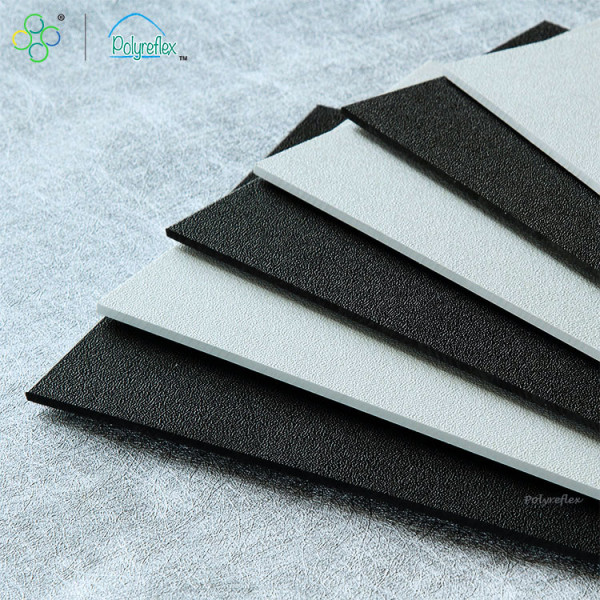
Polyreflex ABS sheet is a highly impact-resistant plastic, designed for easy thermoforming, CNC machining, and laser cutting.
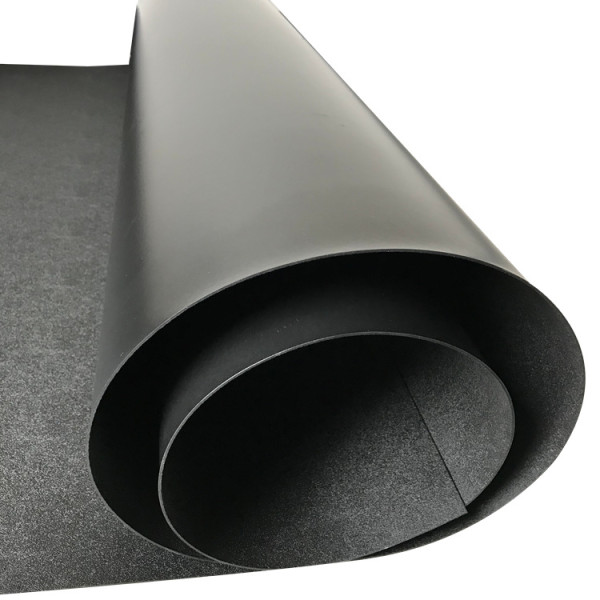
Elastic material, harmless, possess good hardness, flex fatigue and impact resistance, suitable for injection & vacuum forming
Future Trends in Automotive Lightweight Panels
The automotive industry continues to move toward lighter, more sustainable materials. As electric vehicles become more common, reducing vehicle weight is becoming even more important for maximizing driving range and energy efficiency.
Thermoplastic composite panels such as PP bubble boards are well positioned to meet these evolving requirements. Their lightweight structure, recyclability, and processing flexibility make them an attractive option for next-generation automotive designs.
In addition, advances in manufacturing technologies are enabling more complex and integrated interior components. Lightweight panels can now be engineered to combine structural support, aesthetic surfaces, and functional features within a single component.
As automotive manufacturers continue to pursue innovation in materials and design, PP bubble board is likely to remain a key material in trunk floor systems and other interior applications.
Conclusion
Automotive trunk floor boards must balance several demanding requirements, including lightweight construction, structural strength, durability, and cost-effective manufacturing. PP bubble board meets these challenges by combining a strong bubble-core structure with the performance advantages of polypropylene.
Its lightweight yet rigid design, excellent load capacity, resistance to moisture and chemicals, and compatibility with automotive processing techniques make it an ideal material for trunk floor applications. As the automotive industry continues to prioritize lightweight materials and efficient manufacturing, PP bubble board will remain an important solution for modern vehicle interiors.
For manufacturers seeking reliable thermoplastic materials for automotive panels, Polyreflex provides high-quality PP bubble boards along with customized fabrication services designed to support a wide range of automotive applications.
Frequently Asked Questions (FAQ)
Q1. What material is used for car trunk floor boards?
A: Automotive trunk floor boards are commonly made from lightweight structural materials such as PP bubble board, PP honeycomb panels, and thermoplastic composite sheets. These materials provide a strong yet lightweight structure that can support cargo while helping reduce overall vehicle weight. Compared with traditional wood boards, thermoplastic panels offer better durability, moisture resistance, and manufacturing efficiency.
Q2. Why is PP bubble board used for automotive trunk floors?
A: PP bubble board is widely used for trunk floor boards because it offers an excellent balance of lightweight structure, high stiffness, and durability. Its internal bubble core distributes loads efficiently, allowing the panel to support heavy luggage and cargo without excessive bending. In addition, polypropylene materials provide strong resistance to moisture, chemicals, and long-term fatigue.
Q3. How thick is a typical automotive trunk floor panel?
A: The thickness of trunk floor panels varies depending on vehicle design and load requirements. In many automotive applications, PP bubble boards are typically produced between 8 mm and 15 mm in thickness. Heavier-duty trunk structures may require thicker panels to provide additional load-bearing capacity.
Q4. Can PP bubble boards be customized for automotive components?
A: Yes. PP bubble boards can be customized through several processing methods including CNC cutting, thermoforming, surface lamination, and edge finishing. These fabrication processes allow manufacturers to produce trunk floor boards with precise dimensions, openings, hinges, and laminated surfaces such as carpet or fabric.
Q5. Are PP bubble boards recyclable?
A: Yes. PP bubble boards are made from polypropylene, a recyclable thermoplastic material. This makes them an environmentally friendly choice for automotive manufacturers seeking sustainable material solutions. At the end of a vehicle's lifecycle, polypropylene components can be recycled and reused in new plastic products.
Q6. What other automotive parts can use PP bubble boards?
A: In addition to trunk floor boards, PP bubble boards can be used in several other automotive interior applications, including seat back panels, interior wall panels, luggage compartment partitions, and cargo management systems. Their lightweight structure and durability make them suitable for a wide range of vehicle interior components.