Choosing the Right Plastic Sheet for Automotive Door Panels
- Share
- From
- www.polyreflex.com
- publisher
- Polyreflex
- Issue Time
- Mar 27,2026
Summary
Discover how to choose the right plastic sheet for automotive door panels. Learn about PP honeycomb panels, PP bubble boards, ABS, and TPO sheets, and explore Polyreflex’s custom CNC and vacuum forming solutions for lightweight, durable, and high-performance car door panels.
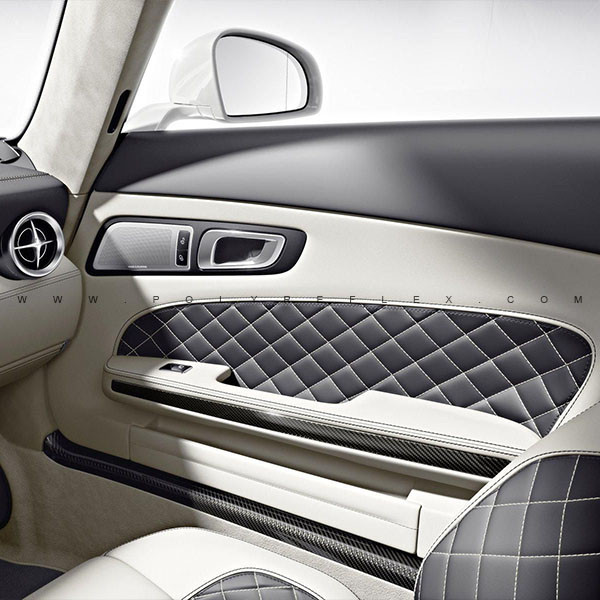
Introduction – Why Choosing the Right Material Matters
Automotive door panels are more than just functional components—they play a crucial role in vehicle safety, aesthetics, and overall performance. From protecting passengers during collisions to providing a high-quality finish that aligns with the car's interior design, the materials used for door panels have a direct impact on vehicle performance. For automotive OEMs and Tier-1 suppliers, selecting the right plastic sheet for door panels is a critical decision that balances weight, strength, durability, and cost-effectiveness.
With the growing demand for lightweight vehicles, especially in electric and hybrid cars, door panel materials need to deliver exceptional strength-to-weight ratios while also meeting stringent durability and environmental requirements. Moreover, the material should be compatible with modern automotive manufacturing processes, such as CNC cutting, vacuum forming, and lamination, to ensure efficient production.
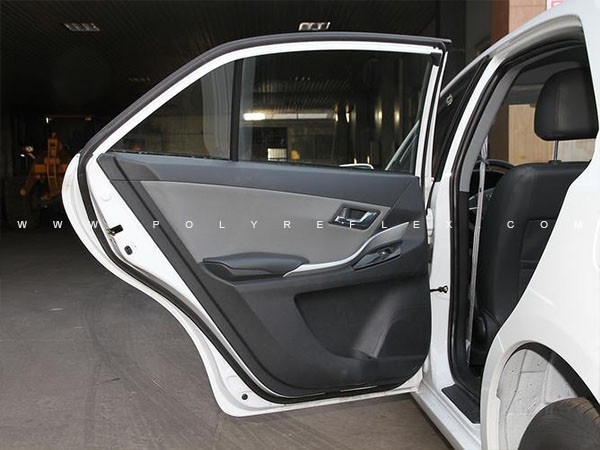
Interior Door Panel
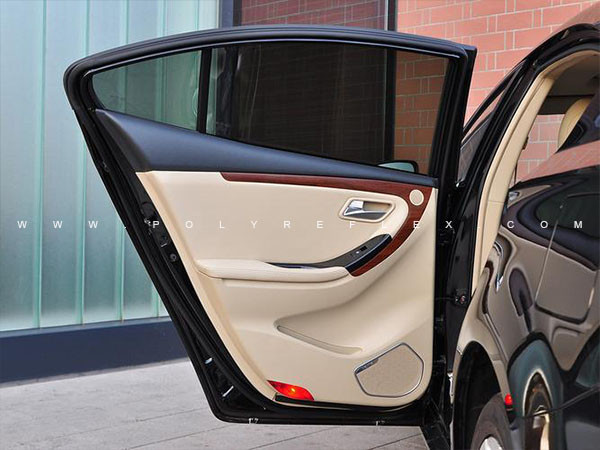
Automotive Door Panel
Key Requirements for Automotive Door Panels
When choosing materials for automotive door panels, several factors must be considered:
1. Impact Resistance
Door panels must withstand everyday knocks, bumps, and minor collisions. A material with high impact resistance ensures that the door maintains structural integrity, protecting passengers and the car's interior components.
2. Lightweight Structure
Reducing vehicle weight is a top priority in modern automotive design. Lighter door panels contribute to overall fuel efficiency, enhanced handling, and extended range for electric vehicles. Achieving an optimal balance between strength and weight is therefore essential.
3. Durability and Scratch Resistance
Automotive door panels are constantly exposed to wear from passengers, keys, or cargo. Durable plastic sheets that resist scratches and surface degradation help maintain a premium appearance over time, reducing maintenance costs.
4. Noise and Vibration Absorption
Door panels also contribute to cabin comfort by absorbing noise and vibrations. Materials with inherent damping properties improve the driving experience, making vehicles quieter and more comfortable for occupants.
5. Compatibility with Automotive Assembly
Finally, the selected material must be compatible with door assembly processes, including welding, adhesives, and mechanical fastening. Materials that can be efficiently processed and joined reduce production time and costs.
Common Plastic Sheets Used for Automotive Door Panels
Several thermoplastic sheets are widely used in automotive door panels, each offering unique advantages depending on the application:
PP Honeycomb Panels
PP (polypropylene) honeycomb panels are an excellent choice for lightweight door panels. Their honeycomb structure provides superior strength-to-weight ratios, making them ideal for vehicles where weight reduction is crucial. These panels can be precisely cut with CNC machinery or formed into complex shapes using vacuum forming, providing flexibility for custom designs. Additionally, PP honeycomb panels can be surface treated to enhance printability or lamination for decorative finishes.
PP Bubble Boards
PP bubble boards are another lightweight option that balances rigidity and flexibility. They are cost-effective and suitable for large-scale production of interior door panels. Bubble boards also offer good thermal and acoustic insulation, enhancing passenger comfort. Their smooth surfaces make them compatible with a variety of decorative coatings, including laminates and UV printing.
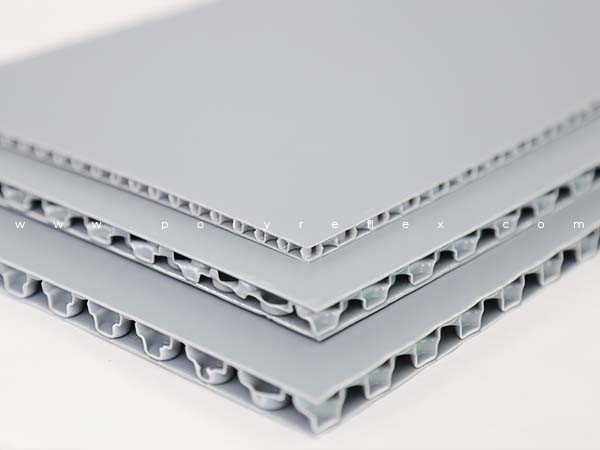
PP honeycomb board
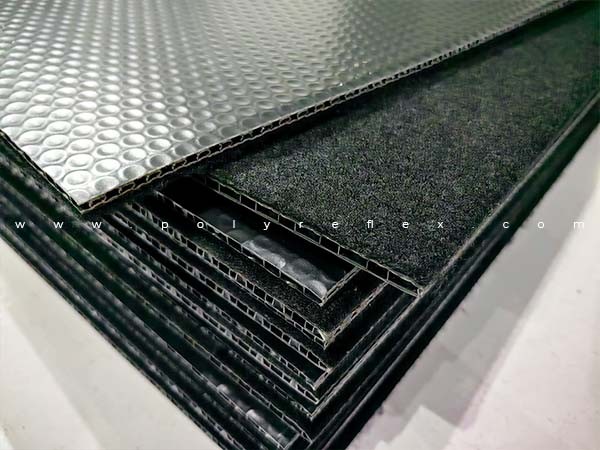
PP bubble board
ABS Sheets
ABS (Acrylonitrile Butadiene Styrene) sheets are known for their smooth surface finish and excellent impact resistance. These properties make ABS ideal for decorative interior components, where aesthetics and durability are equally important. ABS sheets can be thermoformed into complex shapes and are compatible with painting or coating processes, allowing for a wide range of design options.
TPO Sheets
TPO (Thermoplastic Olefin) sheets are commonly used for exterior door components or impact zones. They combine flexibility, UV resistance, and chemical durability, ensuring that door panels maintain performance under harsh environmental conditions. TPO sheets are suitable for applications requiring both toughness and a smooth finish, such as protective side claddings or reinforced door edges.
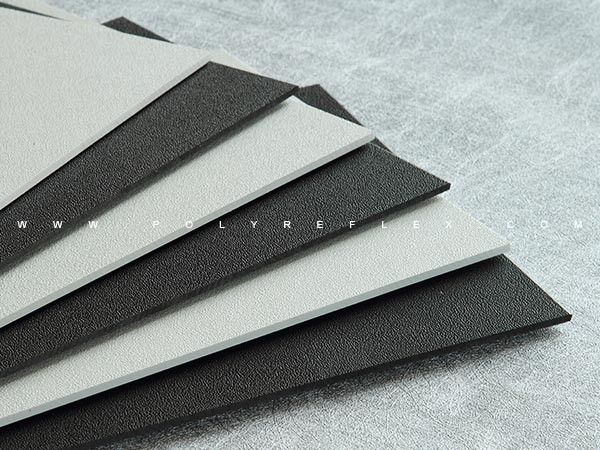
ABS Sheets
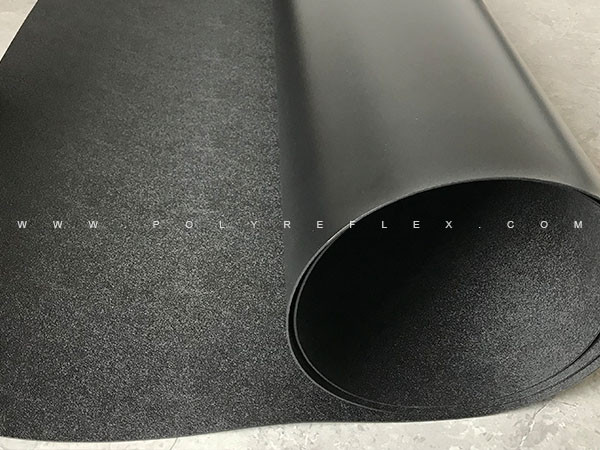
TPO Sheets
Factors to Consider When Selecting the Material
Choosing the right material for door panels involves evaluating multiple factors:
Selecting the wrong material can result in higher production costs, increased weight, or reduced durability, which could negatively impact vehicle performance and customer satisfaction.
Polyreflex Solutions for Automotive Door Panels
Polyreflex specializes in manufacturing high-quality plastic sheets for automotive applications, providing OEMs and Tier-1 suppliers with tailored solutions for door panels. With expertise in PP honeycomb panels, PP bubble boards, ABS sheets, and TPO sheets, Polyreflex ensures that every material meets stringent automotive standards.
Custom Thickness and Sizes: Door panels require precise dimensions and thicknesses to fit specific car models. Polyreflex provides custom-cut sheets suitable for CNC machining and vacuum forming.
Advanced Processing Capabilities: Polyreflex's facilities support CNC cutting, vacuum forming, drilling, and lamination, allowing for complex door panel designs and consistent production quality.
Surface Treatments and Decorative Finishes: To enhance aesthetics and functionality, Polyreflex offers surface treatments such as corona treatment for improved printability, scratch-resistant coatings, and laminated finishes.
Case Applications: Automotive clients have successfully implemented Polyreflex's PP honeycomb panels for lightweight seat backs and door panels, achieving significant weight reduction without compromising strength. ABS sheets and TPO sheets are widely used for decorative interior and exterior door components, providing long-lasting durability and high-quality appearance.
Conclusion
Selecting the right plastic sheet for automotive door panels is a critical decision that affects vehicle performance, safety, and aesthetics. Materials must offer the perfect combination of lightweight strength, impact resistance, durability, and processing compatibility.
Polyreflex, as a professional manufacturer of thermoplastic sheets, provides a wide range of materials—including PP honeycomb panels, PP bubble boards, ABS sheets, and TPO sheets—tailored to automotive applications. With advanced CNC and vacuum forming capabilities, custom sizing, and surface treatments, Polyreflex delivers comprehensive solutions for both interior and exterior automotive door panels.
For automotive OEMs and Tier-1 suppliers seeking high-performance, lightweight, and durable door panel materials, Polyreflex offers the expertise, quality, and flexibility to meet your exact requirements.
Contact Polyreflex today to discover how we can provide custom automotive door panel solutions tailored to your vehicles.
FAQ – Choosing the Right Plastic Sheet for Automotive Door Panels
Q1. What is the best plastic material for lightweight automotive door panels?
A: PP Honeycomb Panels are widely regarded as the ideal choice for lightweight door panels due to their excellent strength-to-weight ratio. They provide durability, impact resistance, and compatibility with CNC cutting and vacuum forming, making them suitable for both interior and structural components.
Q2. Can ABS sheets be used for decorative automotive door panels?
A: Yes, ABS sheets are perfect for decorative interior door panels. They offer a smooth surface finish, excellent impact resistance, and compatibility with thermoforming and coating processes, allowing OEMs to achieve high-quality aesthetics without sacrificing performance.
Q3. How do PP Bubble Boards compare to PP Honeycomb Panels for door panels?
A: PP Bubble Boards are more cost-effective and offer a good balance of rigidity and flexibility. While honeycomb panels provide superior strength-to-weight performance, bubble boards are suitable for applications where moderate strength and lightweight construction are sufficient, especially for large-scale interior panels.
Q4. Are TPO sheets suitable for exterior automotive door components?
A: Absolutely. TPO (Thermoplastic Olefin) sheets are UV and chemical resistant, flexible, and durable. They are ideal for exterior door components or areas prone to impact, ensuring long-term performance in harsh environmental conditions.
Q5. Can Polyreflex customize door panel materials for specific car models?
A: Yes, Polyreflex offers customized thicknesses, sizes, and surface treatments for all plastic sheet types, including PP Honeycomb, PP Bubble Board, ABS, and TPO. Advanced CNC and vacuum forming capabilities allow for precise shaping to meet the unique requirements of each vehicle model.
Q6. How do I choose between different plastic sheets for automotive door panels?
A: Material selection depends on key factors such as weight, strength, surface finish, impact resistance, noise absorption, and production compatibility. Polyreflex can provide guidance and sample testing to help OEMs and Tier-1 suppliers select the optimal material for their door panel applications.