Advantages of Thermoplastic Sheets in Modern Automotive Manufacturing
- Share
- From
- www.polyreflex.com
- publisher
- Polyreflex
- Issue Time
- Sep 4,2026
Summary
Discover the advantages of thermoplastic sheets in automotive manufacturing, including lightweight design, durability, processing flexibility, and automotive applications.
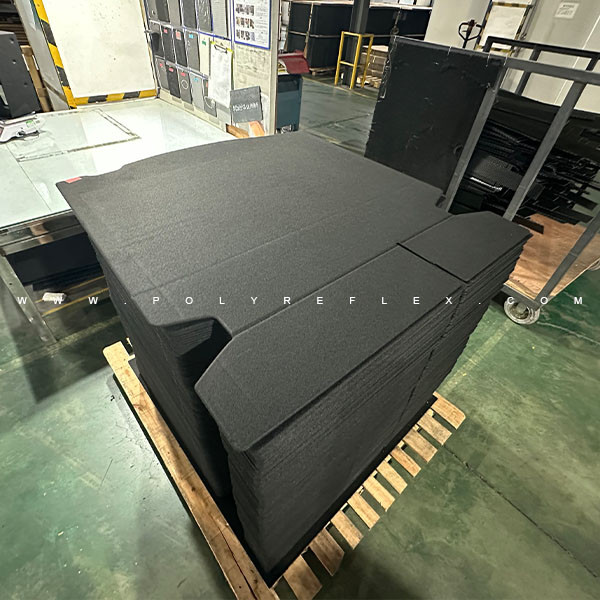
The automotive industry continues to seek materials that support lightweight vehicle design, reliable performance, flexible manufacturing, and efficient production. Thermoplastic sheets have become an important material option for a wide range of automotive components, from interior panels and trunk floor panels to protective parts and molded covers.
With different polymer types, sheet structures, thicknesses, and surface finishes available, manufacturers can select materials according to the functional and processing requirements of each component. Compared with traditional materials, thermoplastic sheets offer several potential advantages, including corrosion resistance, design flexibility, and compatibility with various manufacturing processes.
In this article, we explore the main advantages of thermoplastic sheets in modern automotive manufacturing, their common applications, and the factors to consider when selecting materials for automotive parts.
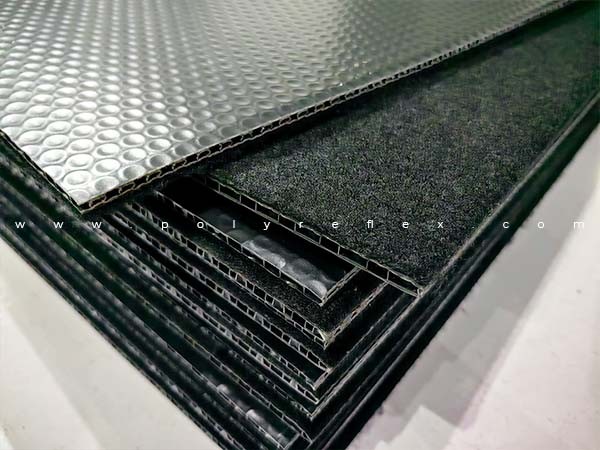
PP Bubble Board
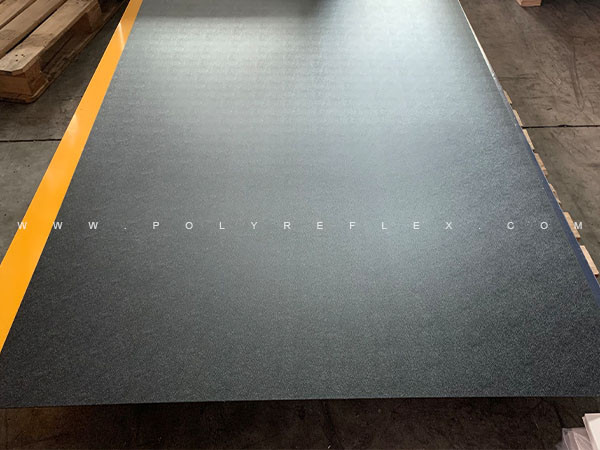
ABS Sheet
1. What Are Thermoplastic Sheets?
Thermoplastic sheets are flat plastic materials made from polymers that soften when heated and solidify when cooled. Many thermoplastics can undergo repeated heating and cooling, provided that processing temperatures and material degradation limits are properly controlled.
This characteristic makes thermoplastic sheets suitable for manufacturing processes such as vacuum forming, thermoforming, CNC machining, cutting, drilling, and lamination. The appropriate process depends on the polymer, sheet thickness, component geometry, and required production volume.
Different thermoplastic materials offer different combinations of mechanical properties, surface characteristics, and processing capabilities.
Common Thermoplastic Sheets Used in Automotive Applications
Several types of thermoplastic sheets are used in automotive component manufacturing, each serving different purposes.
PP Honeycomb Panels
A lightweight sandwich panel with a honeycomb core and surface skins. It is suitable for selected applications requiring a balance of low weight and structural stiffness, such as trunk floor panels and seat back panels.
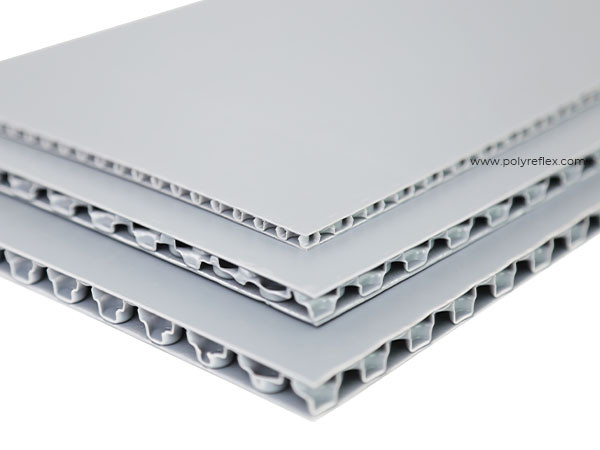
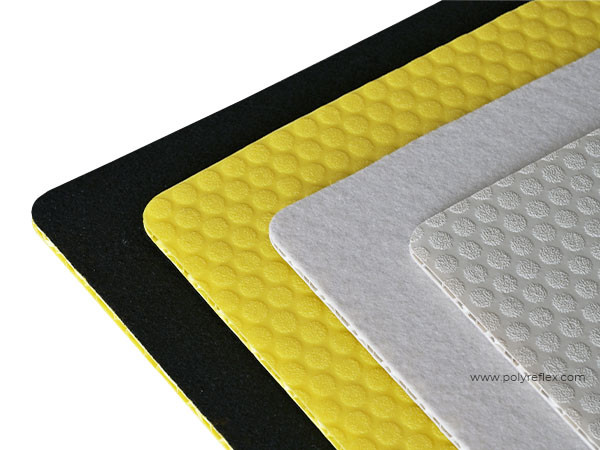
PP Bubble Board
A polypropylene sheet featuring a double-dimple or bubble-like internal structure. It can be laminated with materials such as fabric and PU foam for selected automotive interior components.
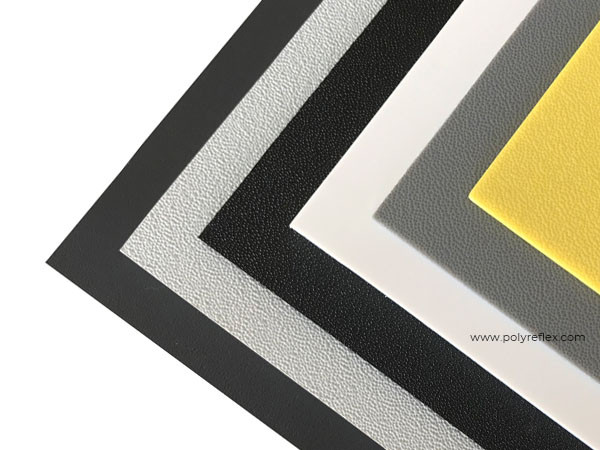
ABS Sheets
Offers a useful combination of rigidity, impact performance, and surface finish options, making it suitable for various interior and exterior trim applications, depending on the material grade and component design.
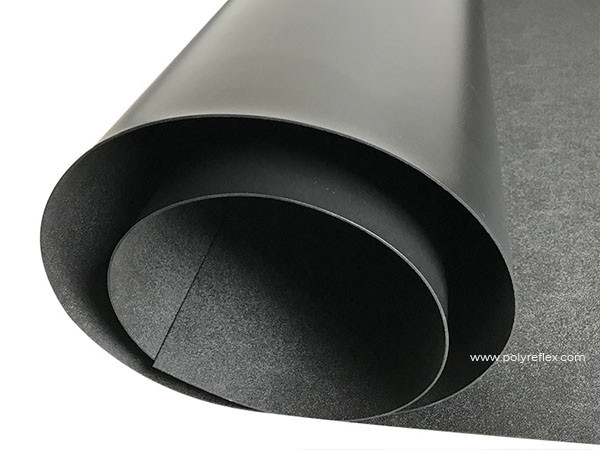
TPO Sheets
Thermoplastic polyolefin sheet is valued for its flexibility and impact performance. It can be used for selected automotive interior components, door sills, and other parts compatible with its material properties.
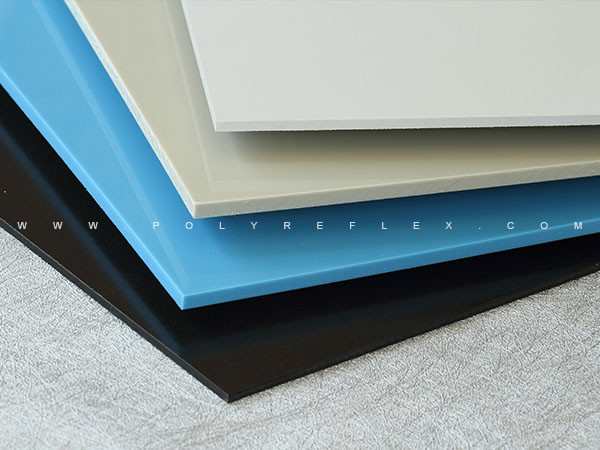
HDPE Sheets
High-density polyethylene sheet provides moisture resistance, chemical resistance, and toughness for suitable applications, including automotive underbody shields manufactured through vacuum forming and CNC trimming.
These materials are not interchangeable in every application. The right choice depends on the component's mechanical requirements, operating environment, design, and manufacturing process.
2. Key Advantages of Thermoplastic Sheets in Automotive Manufacturing
2.1 Lightweight Solutions for Vehicle Weight Reduction
Vehicle lightweighting is an important consideration in modern automotive design. Reducing the weight of individual components can contribute to overall vehicle weight reduction, although the actual benefit depends on the component design and the material being replaced.
Thermoplastic sheets offer different opportunities for lightweight construction. For example, PP Honeycomb Board uses a cellular core structure between surface skins to create a lightweight panel with useful bending stiffness. This structure can be suitable for automotive trunk floor panels, seat back panels, and other applications where weight and stiffness need to be balanced.
Other thermoplastics, including PP, TPO, and HDPE, may also provide weight advantages in specific applications compared with certain alternative materials.
However, lightweight performance should not be evaluated by material density alone. Sheet thickness, structural geometry, reinforcement, load requirements, and the complete component design all influence the final result.
2.2 Design Flexibility and Complex Part Geometry
Automotive components often require specific contours, mounting points, openings, and three-dimensional shapes. Thermoplastic sheets can accommodate a range of designs through appropriate forming and machining processes.
Vacuum forming and thermoforming allow heated sheets to take the shape of a mold. These processes are suitable for manufacturing selected automotive covers, liners, protective panels, and interior components with curved or contoured surfaces.
After forming, CNC machining can be used to trim edges, create openings, and refine the component's outline according to design specifications.
This combination of sheet materials, forming, and machining gives manufacturers flexibility when developing customized automotive parts. The achievable geometry and dimensional accuracy depend on the material, tooling, forming conditions, and machining setup.
2.3 Impact Resistance and Durability
Automotive components may encounter impacts, vibration, repeated handling, and varying environmental conditions during their service life. Material selection therefore needs to consider more than appearance and initial cost.
Different thermoplastics offer different mechanical characteristics. ABS is commonly considered for applications requiring rigidity and a suitable surface finish. TPO offers flexibility and impact performance for selected components, while HDPE can provide toughness for appropriate protective applications.
Structural PP panels, including honeycomb and bubble boards, can also be used where their specific construction meets the component's stiffness and durability requirements.
Actual performance depends on material grade, thickness, operating temperature, component geometry, and manufacturing quality. For critical automotive applications, material testing and validation under the intended service conditions are essential.
2.4 Resistance to Moisture and Corrosion
Unlike ordinary carbon steel, thermoplastic materials do not rust. Many commonly used automotive thermoplastics also offer useful resistance to moisture, making them suitable for components exposed to water, mud, road debris, or humid environments.
For example, HDPE sheet can be used to manufacture automotive underbody shields through vacuum forming and CNC trimming. Its moisture resistance and toughness make it a candidate for applications where environmental exposure is an important consideration.
Other thermoplastic sheets may be suitable for trunk components, interior panels, and protective covers, depending on the required properties.
Nevertheless, resistance to chemicals, automotive fluids, cleaning agents, and prolonged outdoor exposure varies by polymer and grade. These factors should be evaluated when selecting materials for components operating under demanding conditions.
2.5 Surface Finish and Lamination Options
Surface appearance and tactile properties are important considerations for automotive interior components. Thermoplastic sheets are available in different surface finishes and can be combined with other materials when the product design requires additional functional or decorative layers.
Depending on the material and manufacturing process, available options may include smooth surfaces, embossed textures, and laminated finishes.
PP Bubble Board, for example, can be laminated with fabric, PU foam, or other suitable surface materials for selected interior panels. Such constructions can help manufacturers achieve the required appearance, touch, and component structure.
ABS sheets can also be supplied with suitable surface finishes for applications where appearance and formability are important. TPO sheets may be selected for components requiring particular surface characteristics and forming performance.
The appropriate finish and lamination method depend on adhesion requirements, forming conditions, end-use performance, and the intended appearance of the finished part.
2.6 Manufacturing Efficiency and Material Utilization
Thermoplastic sheets can be integrated into manufacturing workflows involving cutting, drilling, CNC machining, thermoforming, and lamination. These processes allow manufacturers to convert flat sheet materials into components with specified shapes and dimensions.
For parts requiring three-dimensional contours, vacuum forming or thermoforming can be followed by CNC trimming. For flatter components, direct cutting and machining may be sufficient.
Standard sheet formats can also provide a practical starting point for customized production. Material thickness, sheet dimensions, tooling design, nesting arrangements, and production volume all influence material utilization and manufacturing efficiency.
For automotive suppliers, the main advantage is the ability to select a suitable material and processing route for each component. Actual cost savings and production efficiency should be evaluated based on the complete manufacturing process rather than the material alone.
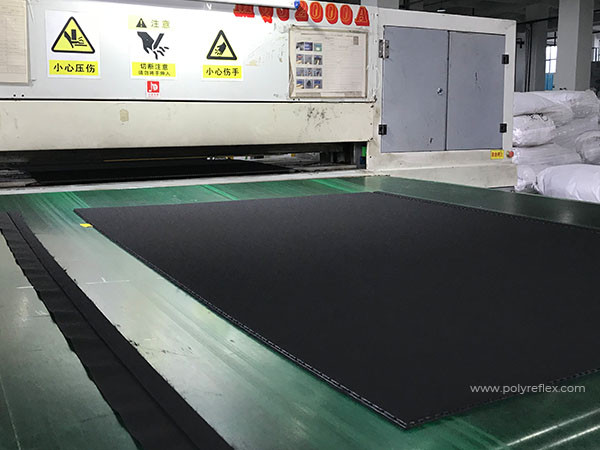
PP Bubble Board Production
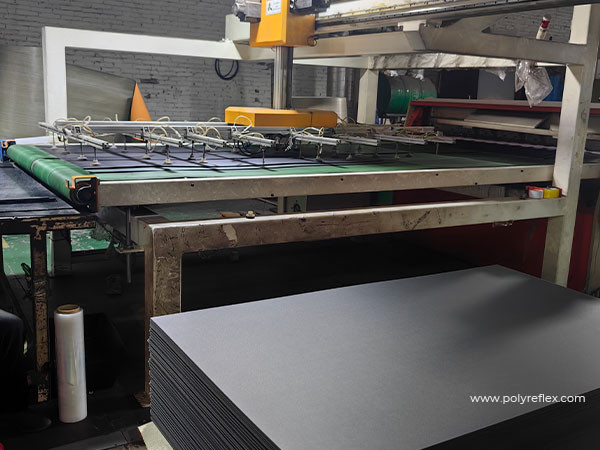
ABS Sheet Production
3. Automotive Applications of Thermoplastic Sheets
Thermoplastic sheets are used in a variety of automotive components. The material selected for each application depends on the required mechanical properties, surface finish, component geometry, and manufacturing method.
3.1 Trunk Floor Panels
Trunk floor panels provide a supporting surface for luggage and other cargo in passenger vehicles. Depending on the design, they may require low weight, sufficient stiffness, dimensional stability, and a suitable surface finish.
PP Honeycomb Board can be considered for trunk floor panels where a lightweight sandwich structure is appropriate. PP Bubble Board may also be suitable for selected constructions, particularly when lamination or a specific panel structure is required.
3.2 Seat Back Panels
Seat back panels cover and protect the rear side of automotive seats. Weight, rigidity, appearance, and integration with surrounding components are common design considerations.
PP Honeycomb Board and PP Bubble Board can be used for suitable seat back panel designs. PP Bubble Board may be laminated with PU foam and then covered with fabric or leather, depending on the required construction.
The final material and panel structure should be selected according to the component's stiffness, attachment method, surface requirements, and applicable automotive specifications.
3.3 Door Panels and Door Sills
Automotive door panels and door sills may require specific surface textures, forming characteristics, flexibility, and resistance to routine handling.
TPO sheet can be vacuum formed for suitable interior components, including selected door panels and door sill applications. ABS sheet may also be considered for parts where its rigidity, surface finish, and forming characteristics meet the design requirements.
Material selection should account for the geometry, mounting features, surface appearance, and operating conditions of the finished component.
3.4 Automotive Floor Mats and Trunk Mats
Floor mats and trunk mats help protect vehicle interiors from dirt, moisture, and everyday wear. These products commonly require a suitable combination of flexibility, surface texture, durability, and ease of cleaning.
TPE sheet is used for vacuum-formed automotive floor mats, trunk mats, and storage compartment mats. TPO sheet may also be suitable for selected applications, depending on the design and performance requirements.
The sheet formulation, thickness, surface pattern, and mold design all affect the properties and appearance of the finished mat.
3.5 Automotive Underbody Shields
Underbody shields help protect selected vehicle components from road debris, water, and other environmental exposure. Depending on their location and function, they may require toughness, moisture resistance, suitable impact performance, and resistance to the relevant operating environment.
HDPE sheet can be vacuum formed into the required shield geometry and then CNC trimmed to achieve the specified outline and openings.
The material thickness and design must be matched to the vehicle's packaging requirements, mounting points, temperature exposure, and applicable performance standards.
3.6 Fender Liners and Mud Flaps
Fender liners and mud flaps help manage road debris and protect areas around the wheels. These components may experience repeated flexing, impacts, moisture, and exposure to dirt or road chemicals.
TPO and PE are potential material choices for suitable mud flap designs because their flexibility and other mechanical properties can meet particular application requirements. Material selection depends on the expected operating conditions and the component's design.
Manufacturing methods may include cutting, drilling, and CNC machining, depending on the sheet material and final geometry.
3.7 Other Interior and Exterior Panels
Beyond these examples, thermoplastic sheets can be used in selected wall panels, ceiling panels, protective covers, and other automotive interior or exterior components.
The choice of material depends on the required weight, stiffness, surface appearance, temperature resistance, impact performance, and manufacturing method. Not every thermoplastic is suitable for every automotive component, and material validation remains important for safety-critical or performance-sensitive applications.
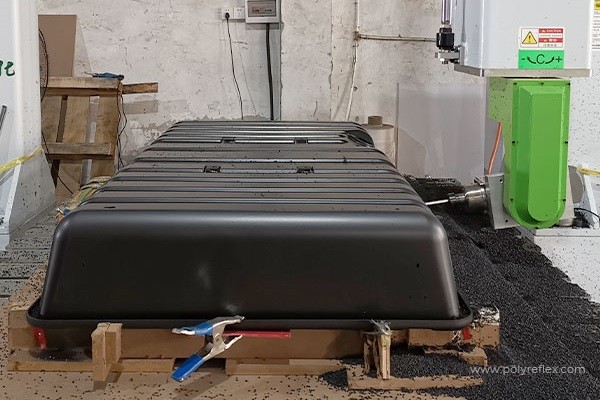
CNC Machining
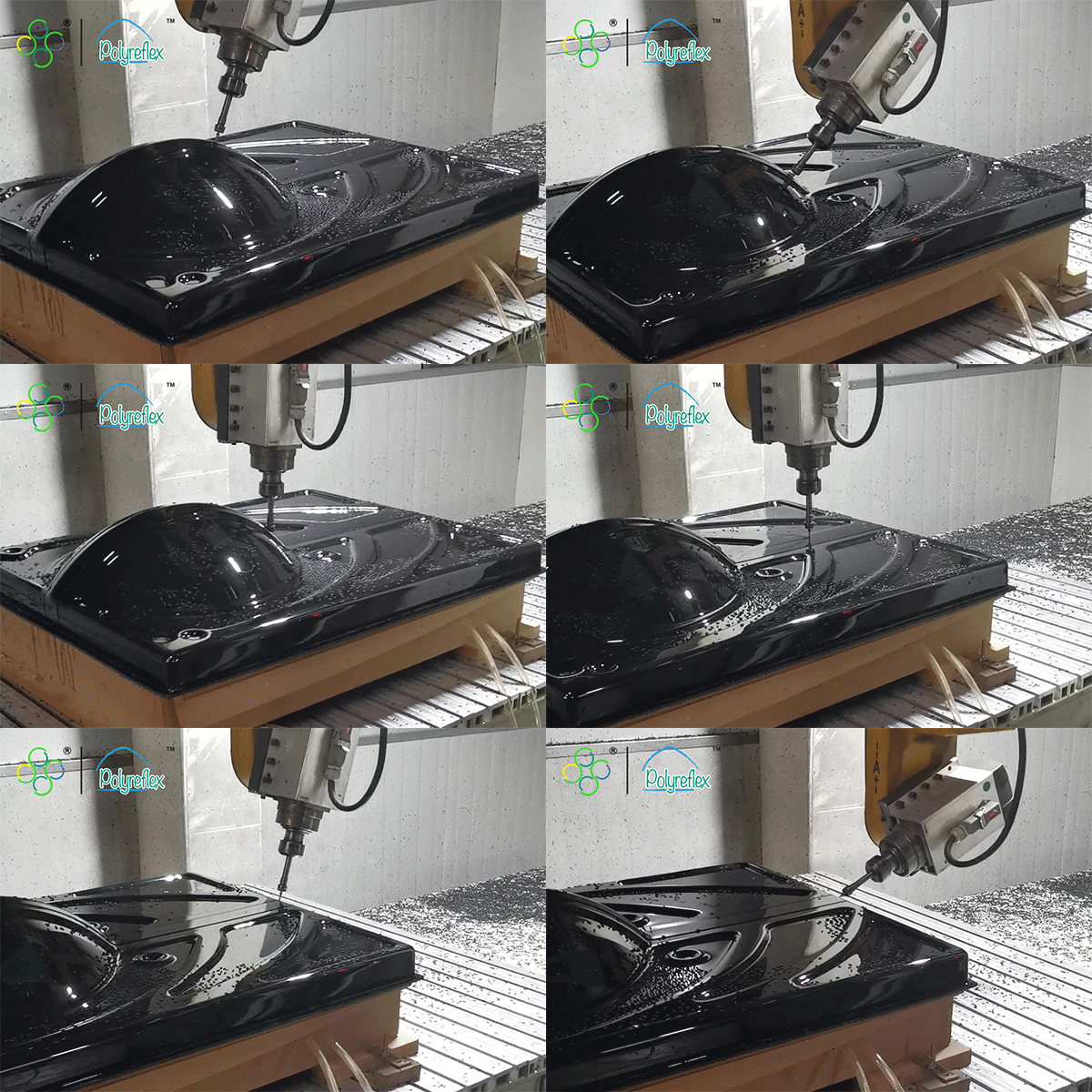
ABS Part CNC Machining
4. Thermoplastic Sheets vs. Traditional Automotive Materials
Thermoplastic sheets provide useful advantages in many applications, but comparing materials requires consideration of the component's intended function rather than a simple ranking of material types.
4.1 Thermoplastic Sheets vs. Metal
Metal remains essential for many automotive structures and components that require high load-bearing capacity, specific fatigue performance, or resistance to demanding operating conditions.
Thermoplastic sheets may be suitable alternatives for selected non-structural or semi-structural parts where their weight, corrosion resistance, forming characteristics, and cost profile meet the design requirements.
For example, a molded plastic protective cover and a metal load-bearing bracket perform different functions and should not be compared as direct substitutes without considering their structural roles.
The decision should be based on the complete component design, including strength, stiffness, impact performance, temperature exposure, durability, and manufacturing cost.
4.2 Thermoplastic Sheets vs. Conventional Solid Panels
Within the thermoplastic category, sheet structure can significantly influence performance.
Solid plastic sheets offer a relatively uniform cross-section and may be appropriate for components requiring a solid material structure. By contrast, PP Honeycomb Board uses a cellular core and surface skins to create a sandwich panel, while PP Bubble Board features a double-dimple structure.
These constructions can provide different balances of weight, stiffness, thickness, and surface characteristics.
However, a structured panel is not automatically superior to a solid sheet. The appropriate option depends on load requirements, panel geometry, fastening methods, surface finishing, and the intended manufacturing process.
4.3 Why Material Selection Must Be Application-Specific
A material that works well for an interior trim panel may not be suitable for an underbody shield or a component exposed to repeated impacts.
When comparing thermoplastic sheets, manufacturers should consider:
A systematic material selection process helps ensure that the chosen sheet meets the functional needs of the finished component.
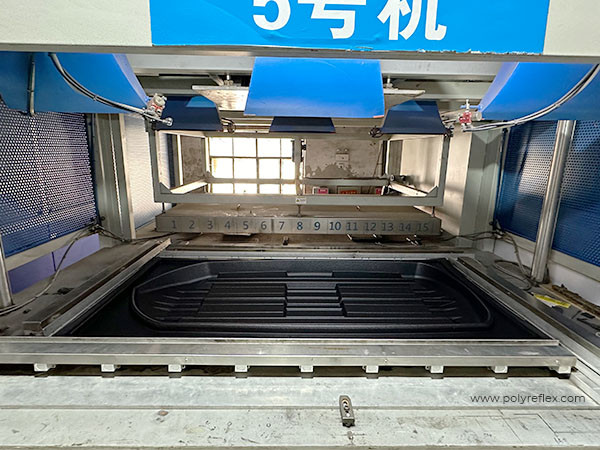
Roof Cargo Boxes Vacuum Forming
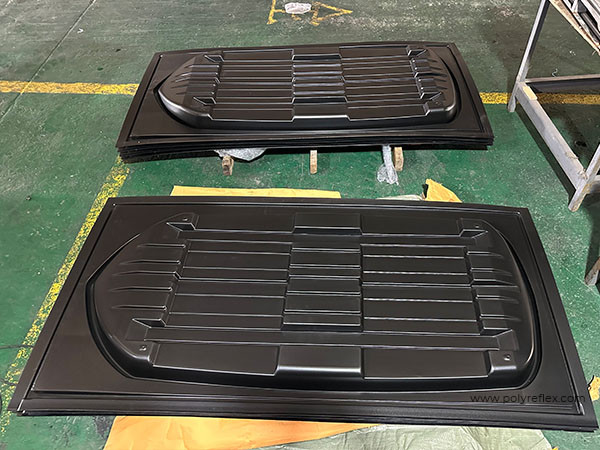
Roof Cargo Boxes after Vacuum Forming
5. How to Choose the Right Thermoplastic Sheet for Automotive Parts
Selecting a thermoplastic sheet involves matching the material's properties and processing capabilities to the requirements of the automotive component.
5.1 Define the Component's Function
Start by identifying what the part needs to do. Is it an interior cover, a load-supporting panel, a protective shield, or a flexible trim component?
This helps establish the required balance of stiffness, flexibility, impact performance, and surface quality.
5.2 Identify the Required Mechanical Properties
Consider the expected loads, impact exposure, vibration, temperature range, and service environment. Where necessary, review material test data and component-level validation requirements rather than relying on general descriptions of a polymer type.
5.3 Confirm the Manufacturing Process
The intended manufacturing method can narrow the material choices.
Vacuum forming and thermoforming are appropriate for many components with three-dimensional shapes. CNC machining can provide defined edges, holes, and contours, while lamination can add a surface layer to suitable sheet constructions.
The material must be compatible with the selected process and the required finished geometry.
5.4 Specify Surface and Appearance Requirements
Determine whether the component requires a smooth surface, embossed texture, fabric covering, PU foam lamination, or another finish.
Surface requirements should be considered early because they can affect material selection, forming behavior, bonding, and final appearance.
5.5 Confirm Technical Specifications and Testing Requirements
Before production, confirm the required sheet thickness, dimensions, material grade, tolerances, surface finish, and applicable performance standards.
For customized automotive parts, sharing a drawing, sample, or application description with the material supplier can help establish a more suitable starting point for material selection and manufacturing evaluation.
6. Polyreflex Thermoplastic Sheet Solutions for Automotive Applications
Polyreflex provides thermoplastic sheet materials for a range of automotive applications, including PP Honeycomb Board, PP Bubble Board, ABS Sheet, TPO Sheet, and HDPE Sheet.
These materials support different application requirements, from lightweight panel constructions and laminated interior components to thermoformed protective parts.
Depending on the product and project requirements, manufacturing solutions may involve sheet production, surface lamination, vacuum forming, and CNC machining. Material selection and processing arrangements can be discussed according to the intended component, required dimensions, thickness, surface finish, and design specifications.
For automotive component manufacturers and sourcing teams, identifying the correct sheet material is an important step toward developing a component that meets its functional and manufacturing requirements.
Contact Polyreflex to discuss your automotive sheet material requirements and explore suitable material options for your project.
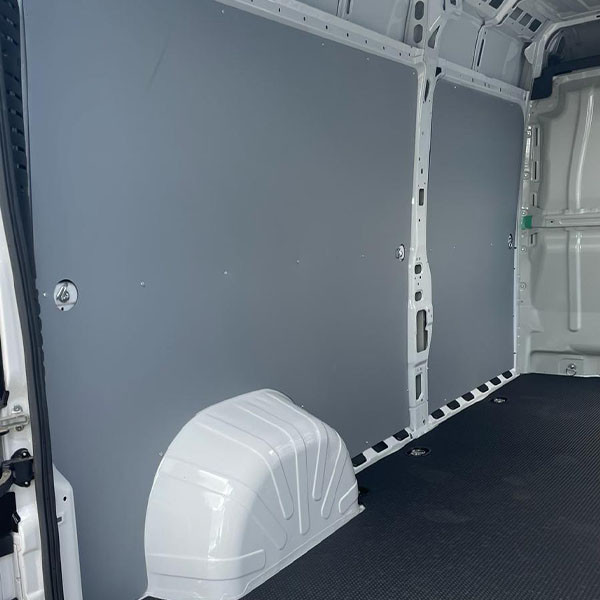
Lightweight PP bubble board and honeycomb panels for automotive interior wall, ceiling, and floor applications. Durable, moisture-resistant, and customizable.
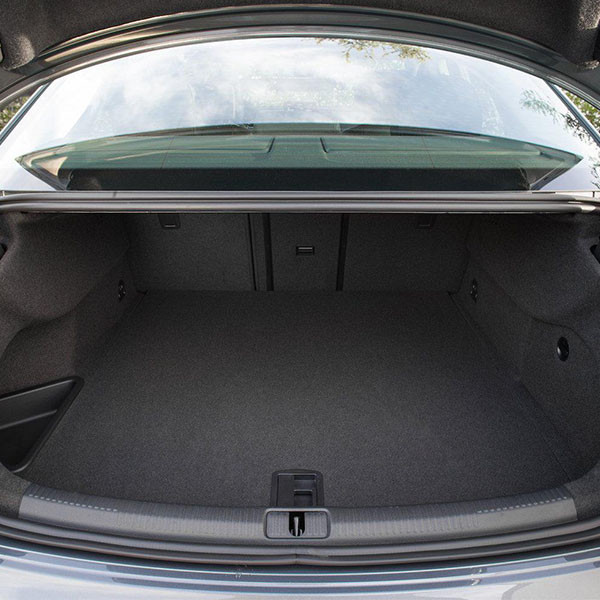
Lightweight and durable automotive trunk floor panel solutions using PP bubble board and honeycomb materials. Designed for high load capacity, moisture resistance, and OEM customization across modern vehicle cargo systems.
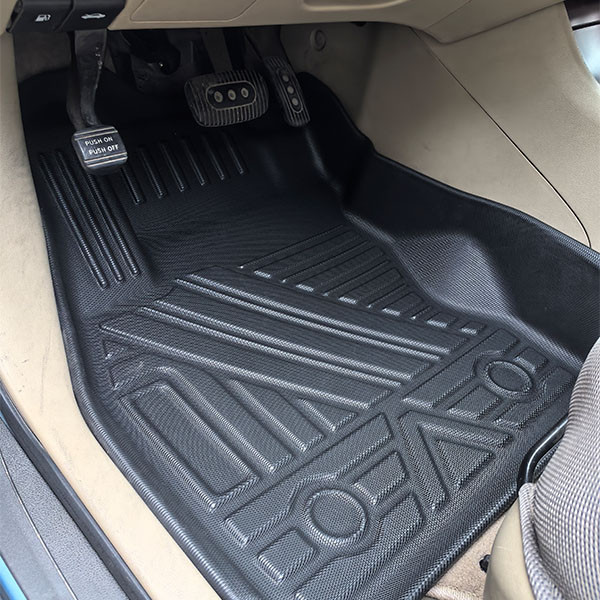
Polyreflex provides high-performance TPO/TPE thermoplastic sheets for automotive floor mats, trunk liners, and cargo protection systems, offering excellent durability, waterproof performance, and thermoforming compatibility for OEM applications.
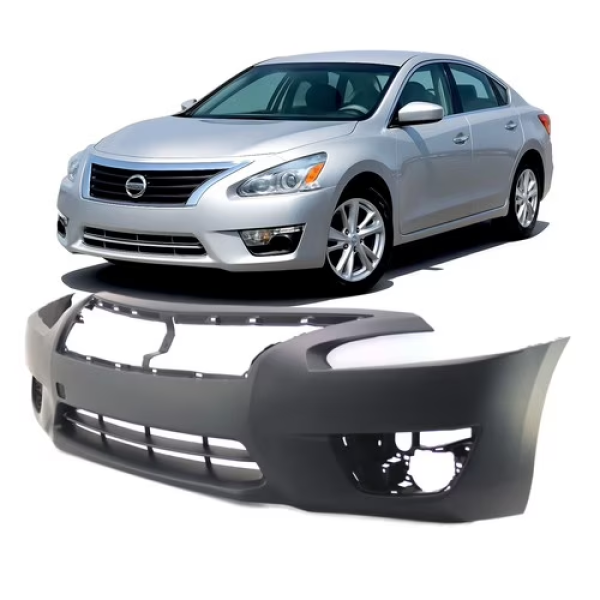
High-performance automotive exterior body panels made from ABS and TPO materials. Polyreflex offers durable, lightweight, and customizable thermoformed solutions with excellent surface finish and weather resistance.
7. Frequently Asked Questions
Q1. What are the main advantages of thermoplastic sheets in automotive manufacturing?
Thermoplastic sheets offer potential advantages such as lightweight construction, design flexibility, moisture and corrosion resistance, a range of surface finishes, and compatibility with processes including thermoforming, vacuum forming, and CNC machining. The actual benefits depend on the polymer, sheet structure, component design, and operating environment.
Q2. Which thermoplastic materials are commonly used for automotive parts?
Common options include PP Honeycomb Board, PP Bubble Board, ABS Sheet, TPO Sheet, and HDPE Sheet. Each has different characteristics and is suitable for different applications. Material selection should be based on the component's performance requirements and manufacturing process.
Q3. Can thermoplastic sheets help reduce vehicle weight?
Yes. Certain thermoplastic materials and lightweight panel structures can reduce the weight of specific automotive components compared with suitable alternative constructions. The actual weight reduction depends on material density, sheet thickness, structural design, and the material being replaced.
Q4. Are thermoplastic sheets suitable for automotive interior and exterior components?
Yes, selected thermoplastic sheets are used in both interior and exterior applications. ABS, TPO, PP-based panels, and HDPE can serve different purposes depending on their properties and design. Exterior or underbody applications require particular attention to temperature, environmental exposure, impact performance, and relevant validation standards.
Q5. Can thermoplastic sheets be vacuum formed and CNC machined?
Many thermoplastic sheets can be processed using vacuum forming or thermoforming, followed by CNC trimming or machining where appropriate. However, process compatibility depends on the material type, thickness, forming characteristics, and component geometry.
Q6. How do I choose the right plastic sheet for an automotive application?
Start with the component's function, required mechanical properties, operating environment, dimensions, surface finish, and manufacturing process. Providing a technical drawing, sample, or application description to the supplier can help determine which material and sheet specifications are appropriate.
Conclusion
Thermoplastic sheets offer automotive manufacturers a versatile range of material options for lightweight panels, interior trim, molded covers, and protective components. Their potential benefits include weight reduction, design flexibility, corrosion resistance, surface customization, and compatibility with different manufacturing processes.
The most suitable material depends on the specific component and its performance requirements. By evaluating material properties, sheet structure, processing methods, and operating conditions together, manufacturers can make more informed material selection decisions.
Polyreflex offers a range of thermoplastic sheet materials for automotive applications and can discuss suitable options based on project specifications. Contact our team to explore materials for your next automotive component project.