Impact-Resistant Underbody Shield for Automotive Protection
Item specifics
- Material
- HDPE (High-Density Polyethylene) Sheet / GMT Board
- Application
- Automotive Underbody Protection Panels, Battery Pack Shields, Engine Covers, Fuel Tank Guards
- Thickness
- 2 – 10 mm
- Density / Weight Range
- HDPE: 0.94 – 0.96 g/cm³ / GMT: 1500 – 4000 gsm
- Surface Finish
- Smooth, Anti-slip Texture, Fabric Surface, PP Film Laminated
- Color
- Black, Beige, Custom Colors
- Key Features
- High Impact Resistance, Chemical Resistance, Lightweight, Weather Resistant
- Processing Method
- Thermoforming, Compression Molding, CNC Cutting, Drilling
- Shape / Structure
- Flat Panels, Formed Parts, Reinforced Structures
- Customization
- Size, Thickness, Material Type, Surface, Color, Mechanical Properties
Review
Description
Underbody Shield for Automotive Protection
Impact-Resistant HDPE & GMT Solutions for EV and ICE Vehicles
Lightweight, high-strength thermoplastic panels engineered to protect critical vehicle components in the harshest road conditions.
Application Overview
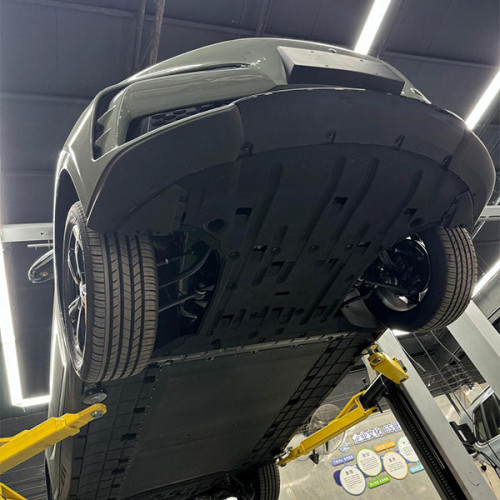
Underbody shields are essential protective components installed beneath vehicles to safeguard critical systems from external damage. These panels are designed to protect key areas such as battery packs, engines, fuel systems, and wiring harnesses from road debris, stone impact, water intrusion, mud, and corrosion.
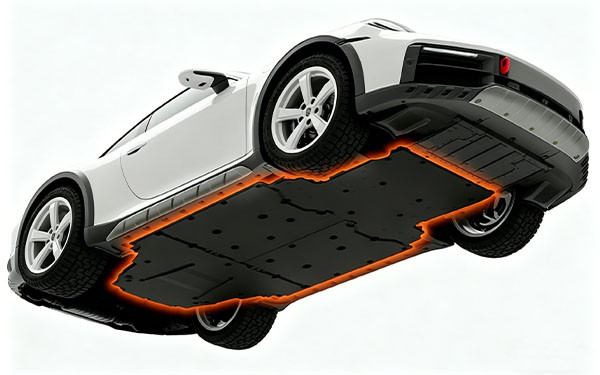
With the rapid growth of electric vehicles (EVs) and hybrid electric vehicles (HEVs), the importance of reliable underbody protection has significantly increased. Sensitive components like battery packs and electronic drive systems require durable shielding solutions that can withstand both mechanical impact and environmental exposure.
Polyreflex provides high-performance thermoplastic materials including HDPE sheets and GMT boards. These materials offer an optimal balance of impact resistance, lightweight structure, and chemical stability, making them an ideal choice for long-term automotive underbody protection.
Key Advantages
High Impact Resistance
Polyreflex materials are engineered to absorb and resist high-energy impacts from stones, gravel, and road debris, preventing cracks, deformation, and structural failure.
Excellent Chemical Resistance
HDPE and GMT materials offer strong resistance to oil, fuel, salt spray, and various chemicals, ensuring stable performance in harsh automotive environments.
Lightweight Structure
Compared to traditional metal shields, thermoplastic panels significantly reduce vehicle weight, contributing to improved fuel efficiency and extended EV driving range.
Weather & Corrosion Resistance
Designed for outdoor exposure, these materials perform reliably under extreme temperatures, humidity, and corrosive conditions without degradation.
Long-Term Durability
With excellent fatigue resistance and structural stability, Polyreflex underbody shield materials ensure a long service life with minimal maintenance.
Why Choose HDPE & GMT for Underbody Shields
Selecting the right material is critical for achieving optimal performance in automotive underbody applications.
HDPE Sheet
HDPE (High-Density Polyethylene) is a cost-effective solution known for its flexibility, impact resistance, and excellent chemical stability. It is widely used for standard underbody protection panels where durability and affordability are key.
GMT Board
GMT is a fiber-reinforced composite material that offers superior stiffness, structural strength, and dimensional stability. It is ideal for heavy-duty applications requiring enhanced load-bearing capacity and rigidity.
By offering both materials, Polyreflex provides flexible solutions tailored to different vehicle designs and performance requirements.
Typical Specifications
Polyreflex offers customizable specifications to meet diverse automotive needs.
Material | Thickness | Surface | Color |
HDPE Sheet | 3 – 6 mm | Smooth | Black |
GMT Board | 2 – 10 mm | Fabric / PP Film | Black / Beige / Customized |
Custom sizes, textures, and performance properties are available upon request.
Manufacturing Process
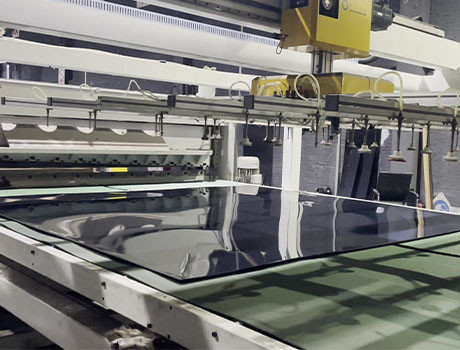
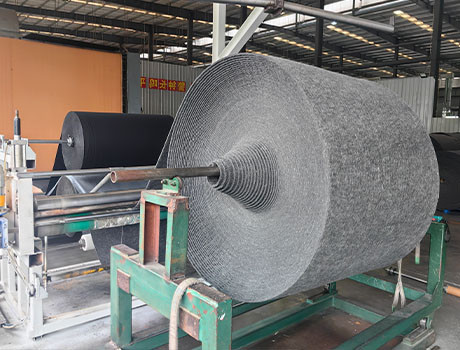
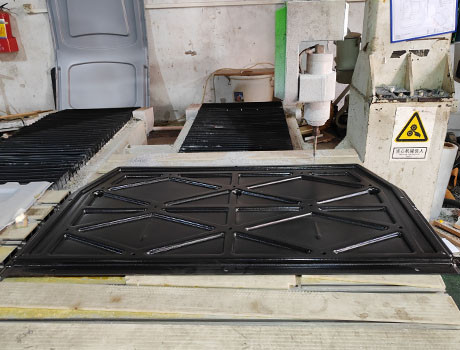
Polyreflex utilizes advanced manufacturing technologies to ensure consistent quality and precision in underbody shield production.
The process typically includes:
These capabilities allow us to deliver high-precision components that meet automotive industry standards and OEM requirements.
Applications in Vehicles
Polyreflex underbody shields are widely used across different vehicle types, providing targeted protection for critical components.
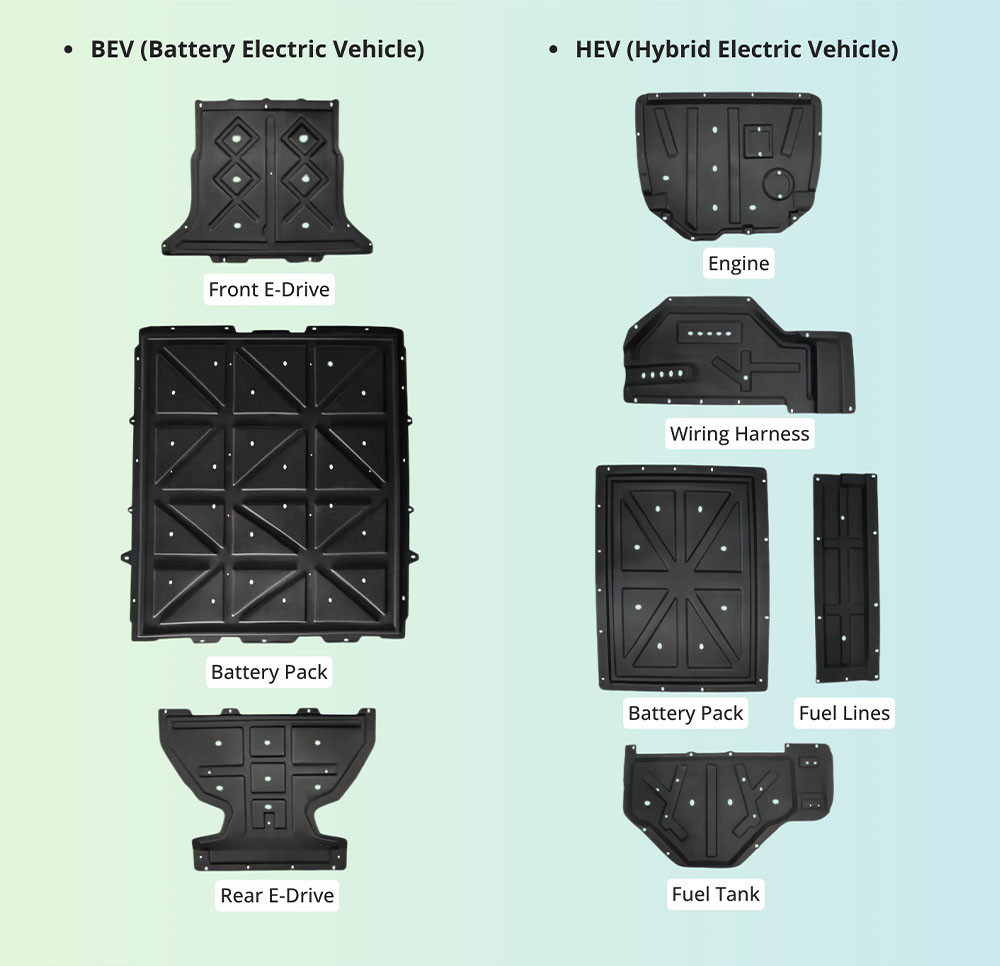
Battery Electric Vehicles (BEV)
In EVs, underbody shields play a vital role in protecting high-value and sensitive components, including:
Battery pack protection panels Front e-drive covers Rear e-drive covers
Hybrid Electric Vehicles (HEV)
HEVs require protection for both electric and fuel-based systems:
Engine underbody shields Wiring harness protection panels Battery housing protection Fuel lines and fuel tank shields
These applications ensure safety, durability, and performance under real-world driving conditions.
OEM & Customization Capabilities
Polyreflex is a professional manufacturer with strong OEM and customization capabilities for automotive applications.
We offer:
Our engineering team works closely with customers to develop tailored solutions that meet specific vehicle requirements.
FAQ
What materials are commonly used for automotive underbody shields?
HDPE sheets and GMT boards are widely used due to their excellent impact resistance, lightweight properties, and chemical stability.
Why is HDPE suitable for underbody protection?
HDPE offers strong impact resistance, flexibility, and resistance to chemicals such as oil and fuel, making it ideal for harsh road environments.
What is the difference between HDPE and GMT board?
HDPE is more flexible and cost-effective, while GMT is reinforced with glass fibers, providing higher strength and stiffness for heavy-duty applications.
Can underbody shields be customized for different vehicles?
Yes, underbody shields can be customized in terms of size, thickness, shape, and surface treatment to fit specific vehicle designs.
Are these materials suitable for EV battery protection?
Absolutely. Both HDPE and GMT materials are widely used to protect EV battery packs from impact and environmental damage.
Get in Touch
Looking for reliable automotive underbody shield materials or custom solutions?
Contact Polyreflex today to discuss your project requirements and get a tailored quotation.